Category Archives: AI

How AI Will Erode Bank Profit Pools

Originally posted as a Twitter thread on May 17, 2023


I’ve often written about how friction/inertia preserves giant gross profit pools in financial services.

The missing link to change this is what I would call a “consumer signup RPA” — which AI can do

RPA: Robotic Process Automation. Take an “API-less” process and “just do it”

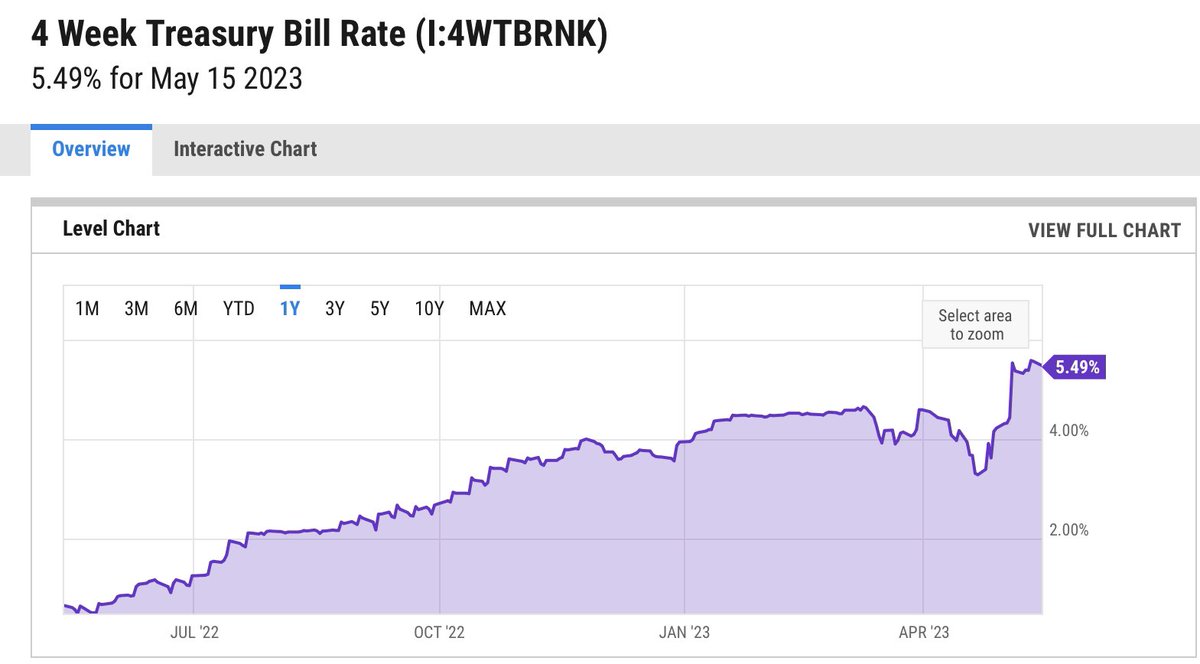
Nowhere is this more true than depository accounts. A 4 week Treasury Bill from the *US Government* pays 5.49% and a 1 year Treasury Bill pays 4.73%.

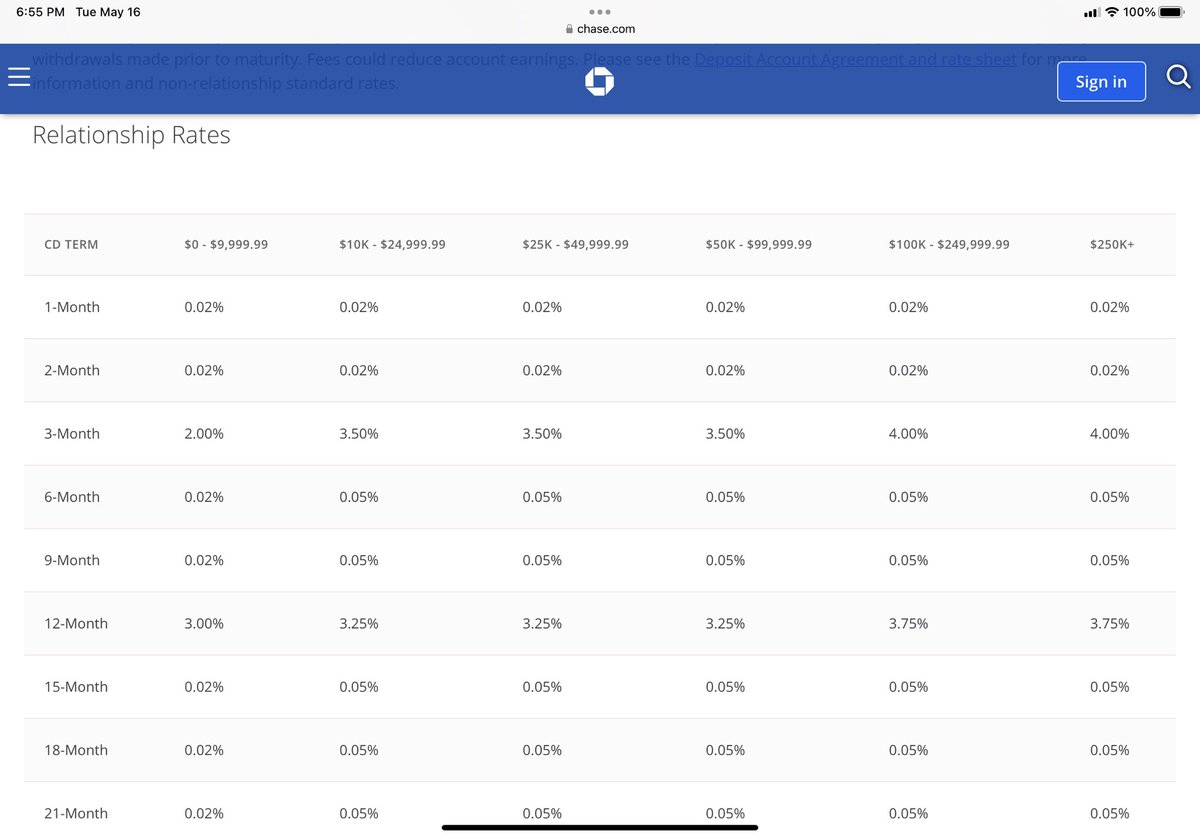
How much does the biggest bank in the US pay for the same…which of course is insured by the same US Government for ONLY up to $250K?

.02% and 3%, respectively…for a higher level of risk. You’d have to be insane to choose a CD with Chase vs a T-bill.

So WHY do consumers leave excess money or buy CDs with Chase? Three reasons:
1. They don’t know what yields are (Chase takes advantage of them)
2. It’s too hard to buy T-bills directly (try signing up for http://treasurydirect.gov)
3. It’s too hard to move money back and forth

The promise of Fintech (and in particular, tools like @Plaid) is that friction/inertia will no longer be an impediment towards consumers switching from the worst services to the best services.

Round One of this was “tools to read” information — let’s import your credit card purchases, or read your checking account number in.

Mobile Wallets have the promise of being a platform for financial services (the App Stores equivalent = financial products). I wrote about this back in 2016:

https://a16z.com/2016/04/25/digital-wallets-fintech-platform/

But AI is also going to transform this, because the incredibly painful (consumer) process of, say, buying short duration T-bills directly from the US government could now be…very easy. Or the seamless movement of money to meet bill pay needs and invest excess cash.

And the missing link for all of this has its technological answer in the form of Generative AI. AI has been used extensively in fintech, but primarily for “scoring” and “approving” things — speeding up backend processes.

But Generative AI is the mirror image: help automatically answer things on behalf of a consumer, bringing a generative robot to a 1990s workflow from a bank (or government) that’s unlikely to embrace, say, RESTful APIs.

And it’s not just about seeking higher yield or lower debt cost, which are particularly salient in today’s higher interest rate environment. Friction/inertia also keep people on their metaphorical financial Flip Phones vs meaningfully better products and experiences

Gen AI also has cost-saving, transformative opportunities for the big guys, too. But if they keep ripping off their customers, they’re finally going to start paying the price as “assistants” make breaking up easy to do…

The “Finance” Opportunity of AI

Originally posted as a Twitter thread on January 27, 2023


What is the “Finance” and “Financial Opportunity” of AI?

If “Bit Manipulation” is a key part of your COGS or SG&A, there’s a huge opportunity or huge disruption coming your way (or a PE firm that might just buy you).

Two sections follow: “Known Knowns” and “Known Unknowns”

Known Knowns: There are companies already doing X, and thus there are two opportunities:
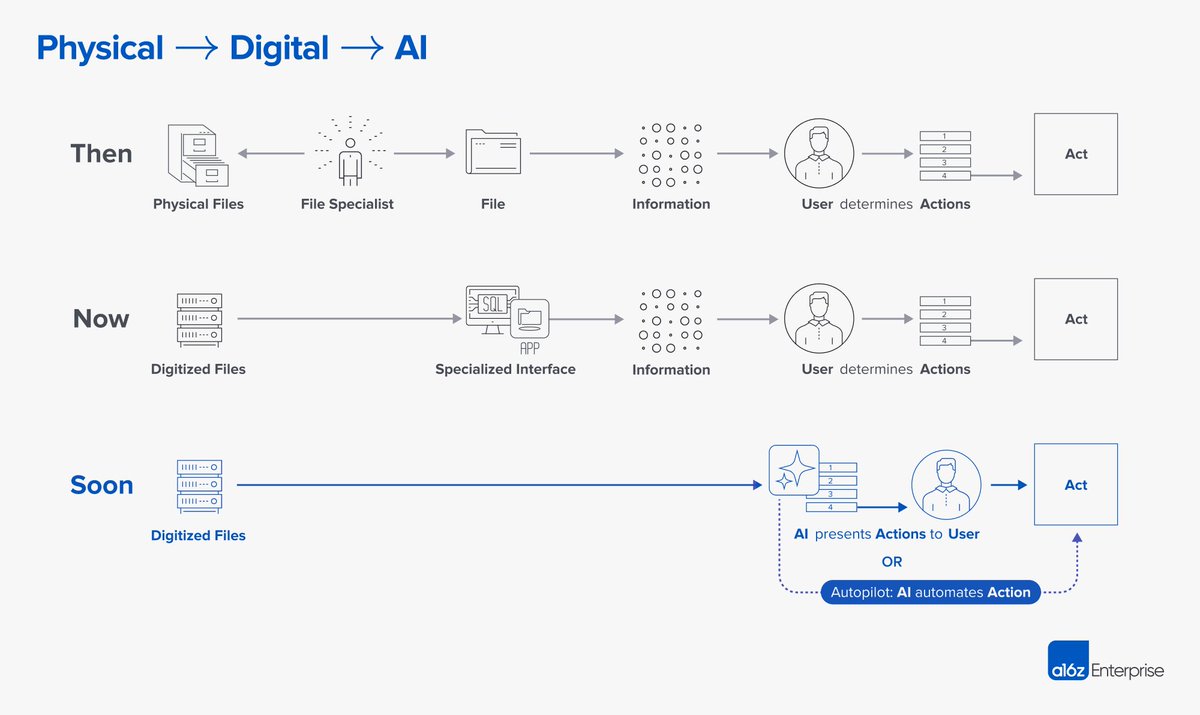
-sell a tool to turn “bit-manipulation-by-people” costs -> GPU usage (AI base marginal cost)
-create a vertically integrated company that competes with a legacy player…by doing the above

Financial services (unlike, say, Campbell Soup or Boeing or Fedex) are primarily “bit manipulation” — little atom moving needed!

How do you apply for a mortgage? Insurance? Reinsurance?

A lot of the cost is…movement of bits. Move info from here to there, validate X, etc.

Companies, and people within companies, tend to be extraordinarily slow routers of information. Person X emails Y, who’s on vacation…who upon return asks for more info, and then passes it to Z, etc. Do it more quickly, save money and win share.

There’s a tremendous private equity opportunity here, which is the “finance” opp. Any company might see a *dramatic* difference in bottom line once more of these bit-manipulation functions are automated. It’s like going from seamstress -> loom -> textile factory…for bits.

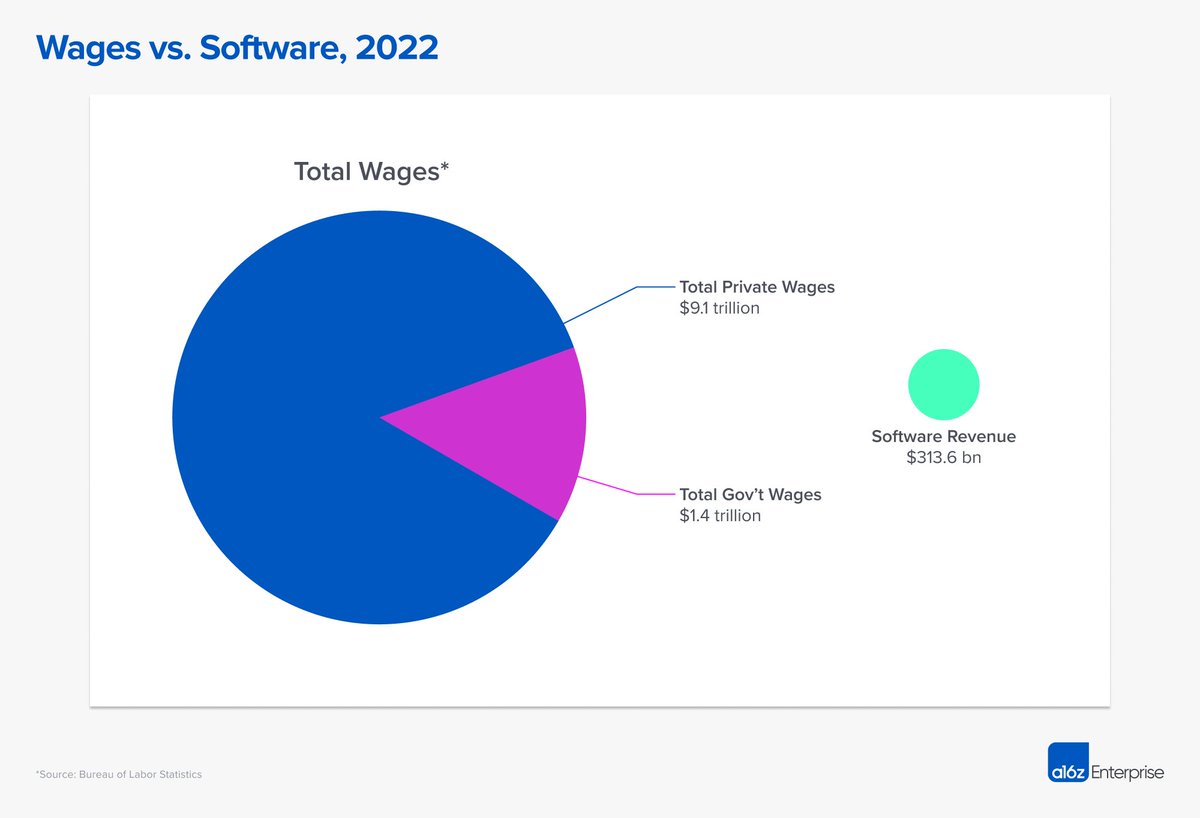
Next: Known Unknowns. What I’m fascinated with are companies that cannot/do not exist today due to a market failure between what companies/consumers will pay and what people will work for…in the realm of bit manipulation.

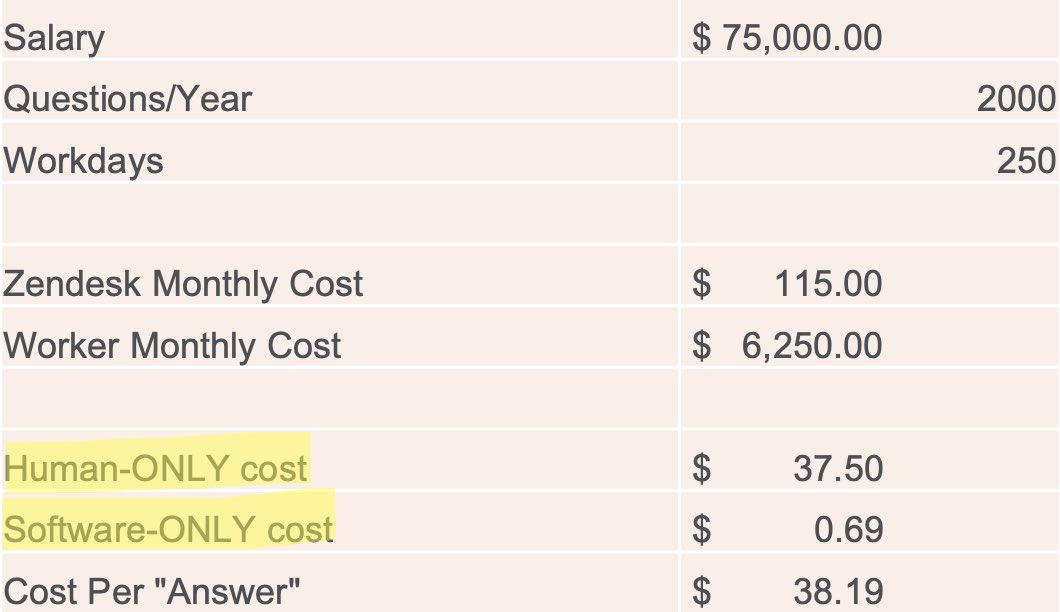
For example: “Find all counterfeit listings of my product on Reddit/FB/Twitter/forums, for $100K/year” or “Reach out to unhappy customers and get more information, for $100K year”
There’s probably lots of demand at a given price but impossible to provide service at that price

So there are no “market comparables” or set of companies to look to. It’s just an old fashioned supply/demand curve where there’s no quantity demanded at the price where labor is willing to supply…

Working on an essay on this with some data from existing companies — more to come soon.

Bureaucracy is a Regressive Tax

Originally posted as a Twitter thread on February 11, 2021


Bureaucracy – in government, the medical system, and more – is a HIGHLY regressive tax in that rich people can pay to solve problems, and the poor must use their time, miss work and lose income…and more.
This is why I love @DoNotPayLaw + @jbrowder1

This is not hyperbole…

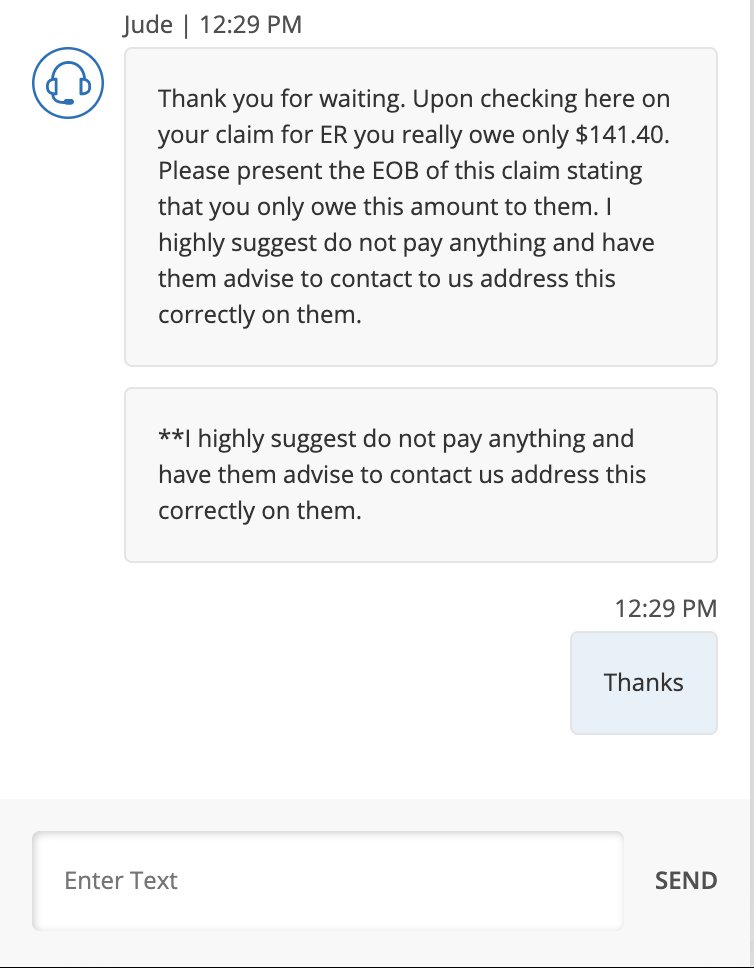
I had to go to the ER a few months ago. My bill didn’t match my insurance statement. Insurance company tells me not to pay. Provider threatens to report me to collections. This consumes HOURS of times and damages credit, making borrowing (and living!) more expensive

I am lucky to be able to say “it’s not worth my time” and do just fine — either pay it or deal with the consequences, which are insignificant to me. Millions cannot.

Remote Education

Originally posted as a Twitter thread on July 30, 2020


There’s an opportunity to turn remote education from a weakness to a strength — from a badly rendered “sage on a stage” (constant in education for 100s of years, but *worse* online!) to individualized instruction. To see why, let’s take a trip to 1984 — not Orwell, but Bloom

Prof Benjamin Bloom wrote a seminal work in 1984 showing that individualized instruction lifted outcomes by 2 standard deviations — outperforming 98% of regular students:
http://web.mit.edu/5.95/www/readings/bloom-two-sigma.pdf
But he remarked, it was “too costly for most societies to bear on a large scale”

But the Internet has solved this problem, conceptually! What we need(ed) was a forcing function to abandon the status quo, which Bloom showed is demonstrably worse than individualized tutoring. We potentially have that in Covid, which has incredibly made the status quo *worse*

Homeschooling was “weird” and “dangerous” (https://news.harvard.edu/gazette/story/2020/05/law-school-professor-says-there-may-be-a-dark-side-of-homeschooling/) but now parents get to see (Zoom-spying!) how ineffective the “status quo” is — and speaking as a parent who knows the Bloom data and the traditional/dumb homeschooling stigma, I now care only about the data

Schools have (had?!?) one big thing going for them — kids learn how to socialize, to get along with other people, to deal with adversity, unfairness — side note, but this (school!) graduation speech by Justice Roberts is the best ever: https://time.com/4845150/chief-justice-john-roberts-commencement-speech-transcript/

But Zoom school has none of this. It’s worse in every way than what was already a proven-to-be-suboptimal model for education!

I hope some forward thinking schools will try to go on remote education offense, whereas most are just going on “how do I turn this thing on?” defense.

I encourage everyone to read the Bloom paper. We now have the means (so many great tutoring platforms for a fraction of the cost of private school). We have the motive. And with Covid, we have the opportunity. Fin.