Category Archives: Commerce

AI Commerce

Originally posted as a Twitter thread on August 29, 2025


How will AI commerce start?

Sometimes the best way to predict the future is to observe the present.

Millions of people who value their money more than their time already hunt or wait for deals.

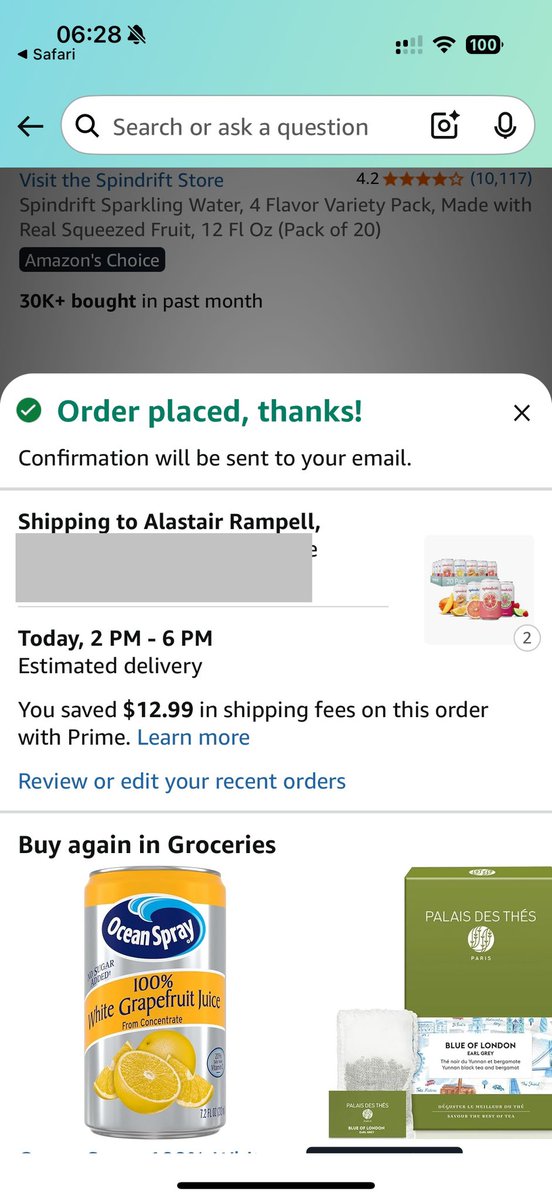
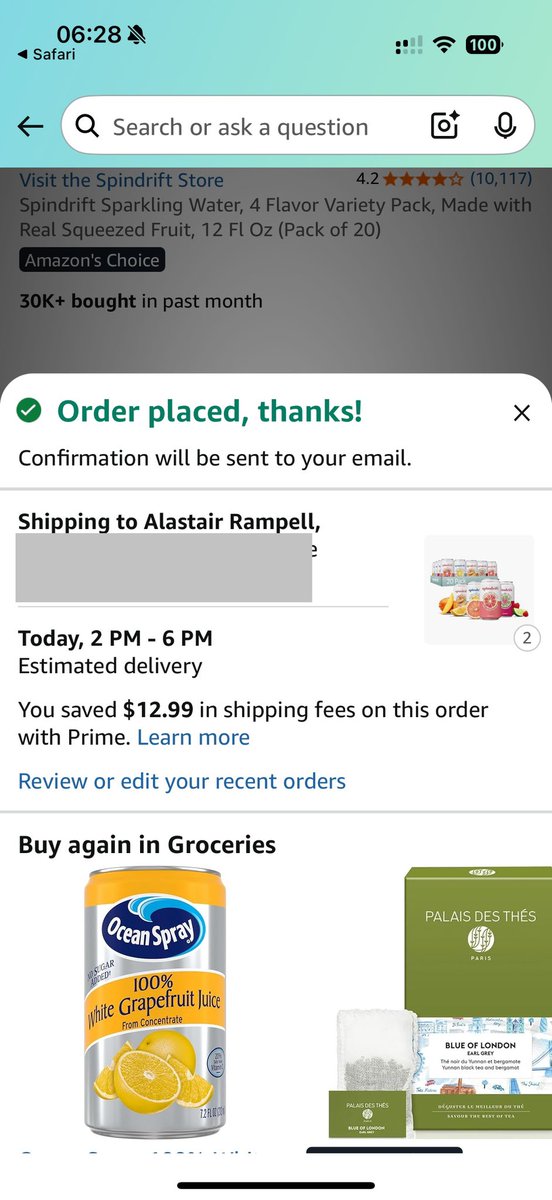
Including me:) I had an alert for Spindrift, it cleared my price, and I bought.

All that is missing from this example is the “do it for me” — as in “BUY it for me when this item clears a specific price”

There’s no question that “buy this SKU for me at the lowest price” (already an observed behavior for those who value money > time) will migrate to AI

More in this piece from @venturetwins and me:

https://a16z.com/ai-x-commerce/

The Future of Payments…is Red?

Originally posted as a Twitter thread on January 12, 2023


The Future of Payments…is Red?

What could disrupt Visa/MasterCard/Amex? How might a new payments Goliath start?

Let’s talk about the Target Red Card. Target did >$100B in revenue last year, 20% of which happened on its own cards:
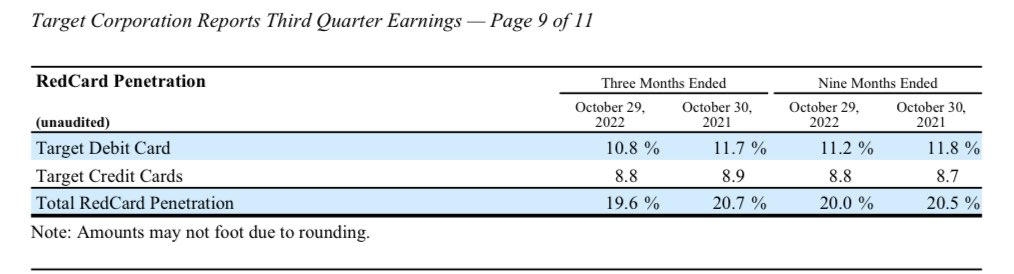
You’ll see “Target Debit Card” and “Target Credit Cards” (source: Target 10Q)

Many retailers have what are known as co-branded credit cards. Target’s is issued by TD Bank; Amazon => Chase; American Airlines => Citi. Some retailers make more on cards than on their core biz!

But what is extremely interesting, and has compelled me to scan every Target 10Q for years, is the Target Debit Card, which makes up over 11% of Target’s entire revenue. The Debit Card just pulls money directly from your bank account — allowing Target to not pay interchange.

It should be self-evident why this is important. Look at Target’s Q1-Q3 revenue last year — $76.6B sales, $2.4B pretax income. Imagine every Target transaction was credit card (not the case) @ a blended 2% fee => $1.5B in incremental income if shifted to ACH, 63% more profit!
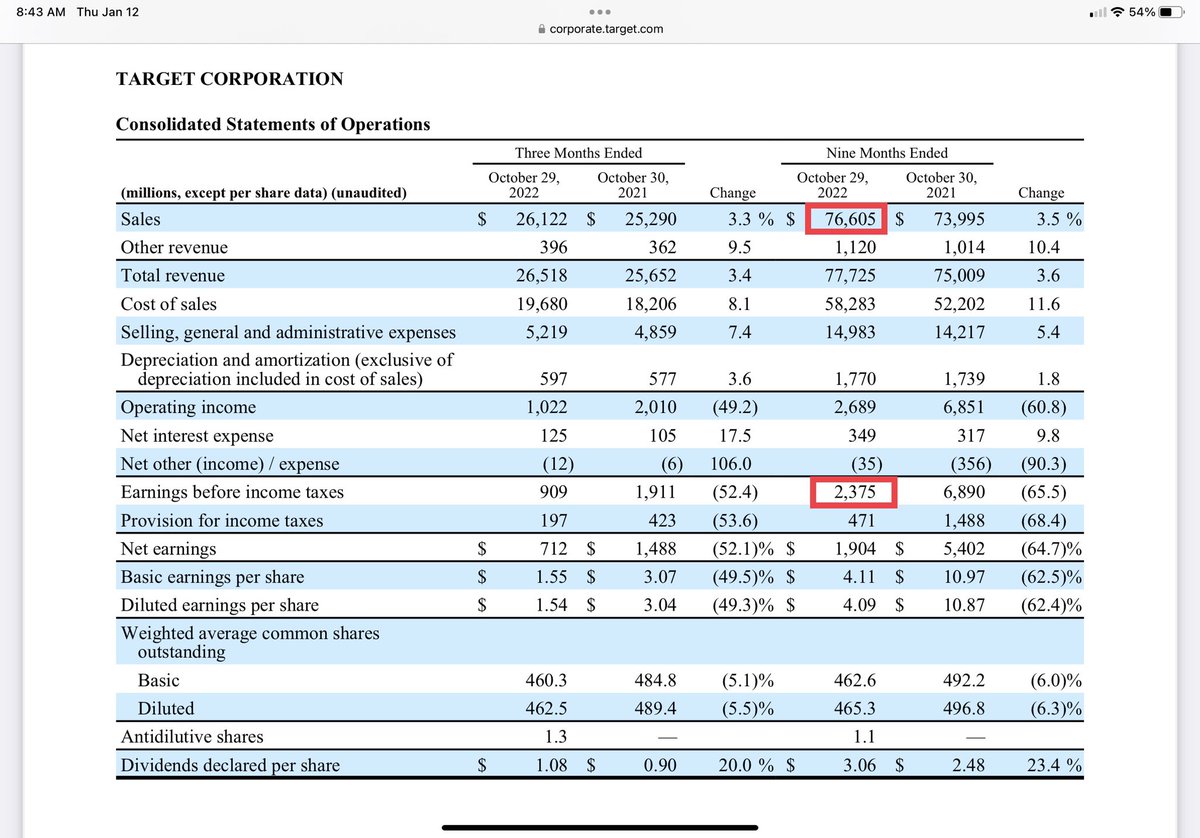
Target has impressively shifted 20% of their *entire* sales to their own cards. The only “illogical” part of this is that to save 2%, they are…giving up 5%, albeit to the user directly in savings at Target, which is the primary benefit of Red Card.
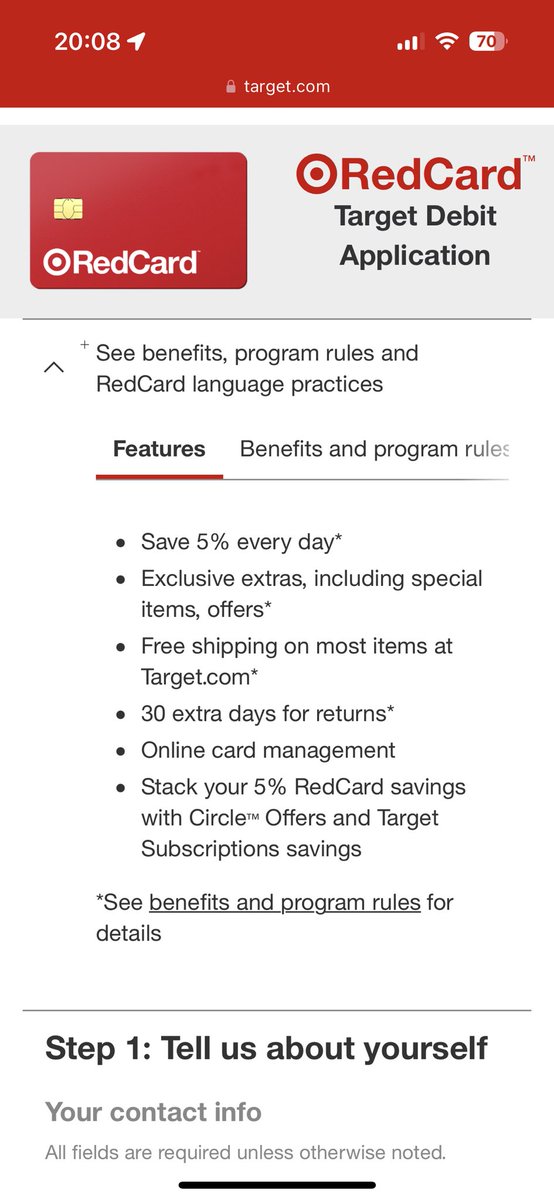
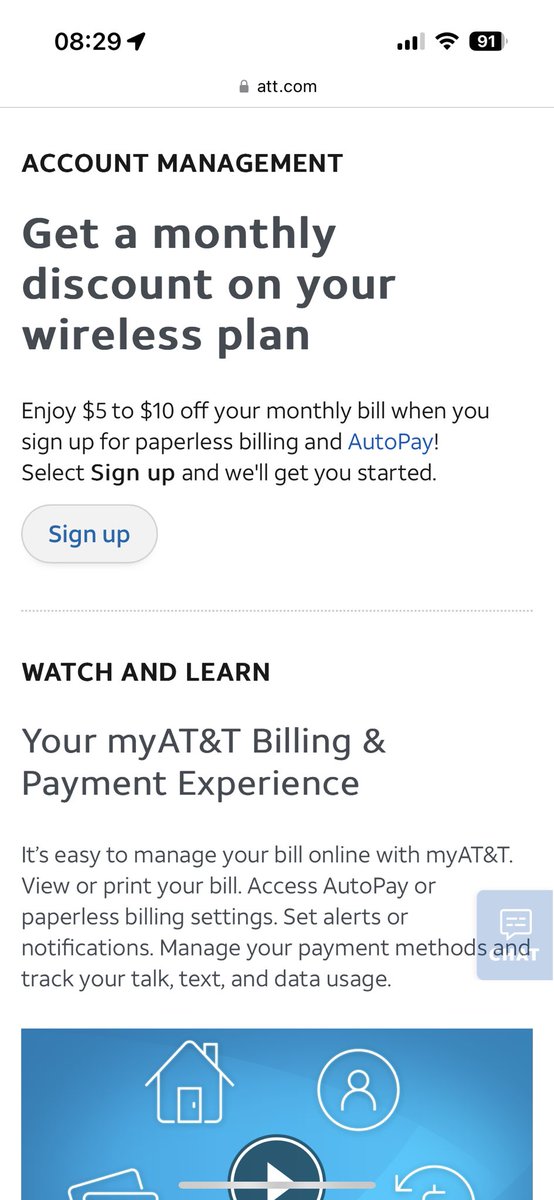
Target isn’t an outlier here. Most “frequent interaction” or high frequency billing companies do the same. Here’s Verizon and AT&T, which give you substantial savings monthly for moving your bill pay off credit cards and to ACH (or sometimes debit cards, given lower avg fee)
Image

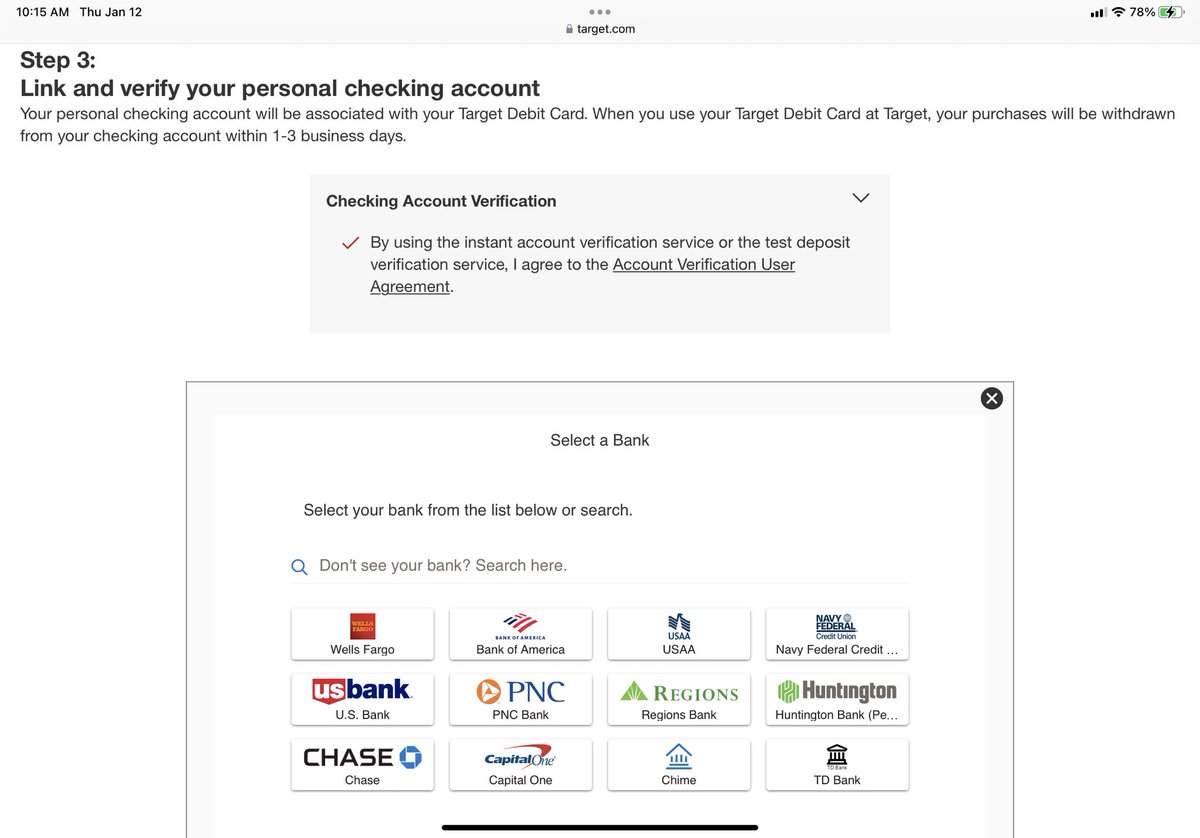
When you sign up for a Red Card debit card, you link your existing bank account and let Target pull funds from it. It’s just a “router” to your existing bank account.

Image

Image

So effectively the Debit Red Card is an abstraction layer around payments, mapping a POS transaction at a Target store to a subsequent low-cost ACH debit from an existing checking account.

This is harder than it seems. For anyone in Credit/Debit payments, you might recognize the “verbs” of payments: Authorize, Capture, Settle, Void, Credit. Not to mention things like chargebacks. ACH has fundamentally different “verbs” and Red Card is a Rosetta Stone of sorts.

Why is this potentially the future of payments? For one, tools like @Plaid have made the connection extraordinarily easy. You don’t have to remember your bank account number or “routing code.” Just log-in to your bank account ONCE and you’re done. Consumers are used to this.

Every “high frequency biller” should be doing this, and experimenting with pricing and benefits. Albertson’s, Netflix, Walmart, Costco, Safeway, Microsoft, Disney, etc. It’s likely trillions of $ of “frequent merchant-consumer interaction” payments that *could* shift.

While I think Target has been smart to roll this out, it seems paying 5% to save 2% (and justifying it by showing increased engagement, which likely reverses cause and effect / shows sampling bias!) is not smart. Better to provide one-time benefit to switch, I would think.

To wit: Log-in to Netflix. See a message: “Switch to direct debit, get $2 off this month. Just click here!” -> long term savings of $100M+/year to Netflix in North America alone based on projected interchange costs.

The “hard” part of this, not surprisingly, is software. What’s needed is “Red Card as a Service” for retailers — and in particular, “frequent interaction” retailers. This would likely sit alongside the existing payments stack, or maybe above it…

Because ideally the one team (at the merchant) that handles dispute resolution/chargebacks, or refunds, or store credits…doesn’t care about the tender type. All of that is just abstracted away into whatever tools they already use.

The other thing that’s needed is a much better onboarding experience. Frankly it’s shocking that Target is at 20% given how complex they make the onboarding and how much information they gather…better software/CX/UX would make it much more compelling.
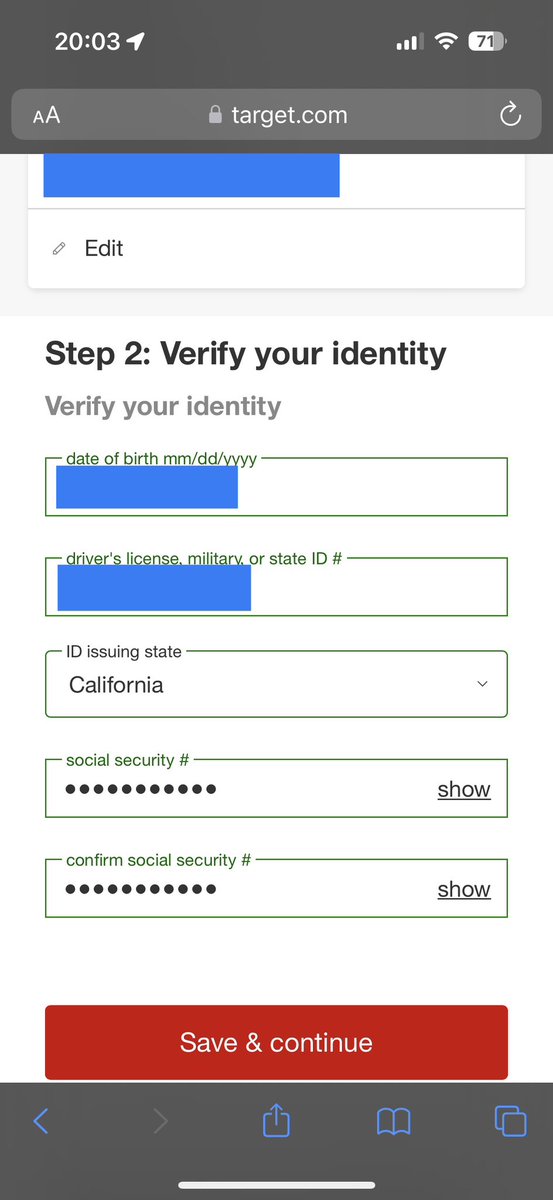
The truly magical experience would be what I would call the “Customer IQ Test.” An automatic mapping of their credit/debit card to their *existing* checking account could be done in the background…credit bureaus and other players already have this.

The IQ Test would thus be: “Do you want to save $5 right now by switching your Visa Card ending in 2655 to your Bank of America account ending in 7688? Click Yes to confirm and your’e done.”

Because fundamentally, the reason “Red Card as a Service” hasn’t taken off in the past is because of the twin moats protecting so much of banking. Inertia (hard to switch) and Rewards (merchant fees fund customer benefits, with banks in the middle). Inertia is now decreasing.

There are other huge benefits to a “frequent interaction biller” introducing this. E.g., “Pre-pay $1000 of spend at Safeway for $950” —> ensures that that person buys all of their groceries at Safeway. Or maybe a quasi subscription.

Not to mention all of the other “fintech” cross-sells available if you have a link to the customer’s checking account and a dominant/frequent relationship with them.

There’s a good question of how many frequent billers does the average customer have, what merchants might this make sense for, etc. But in general, the tools are coming/exist to make this easy, fast, and low-friction…and the economic incentive for merchants is MASSIVE.
BNPL and “Incumbent Does X”

Originally posted as a Twitter thread on June 07, 2022


“BigCo X offers installment payments on existing payment rails” is not really competition to a wide set of use cases that Buy Now, Pay Later enables, because without allowing the merchant or manufacturer to lower the interest rate or extend the term, it doesn’t change behavior

For example, Amex has offered *for a long time* a product called “Plan It” which works great and allows any purchase to be turned into a set of installments.

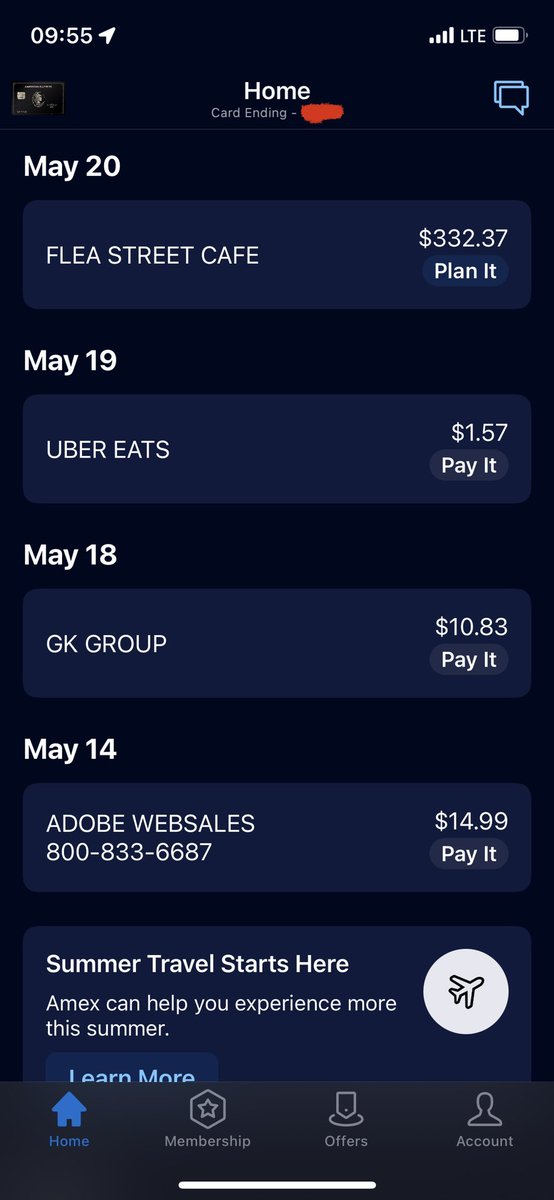
Here’s my Amex bill

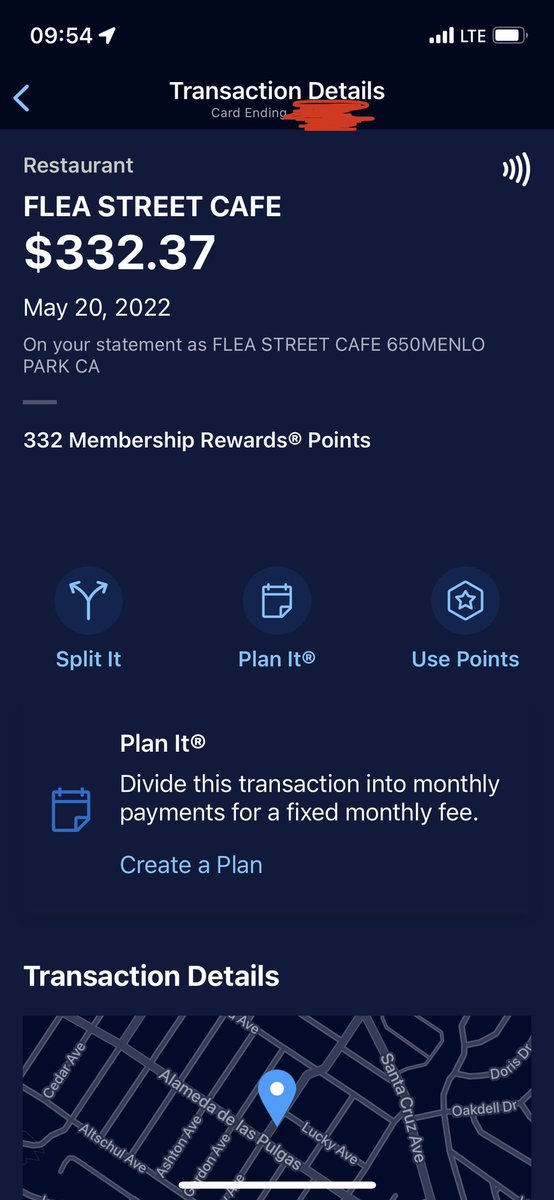
I click on “Plan It” next to my Flea Street payment (great restaurant btw) and can either Split It (with friends, using Venmo or PayPal), Plan It (turn into installments), or even Use Points

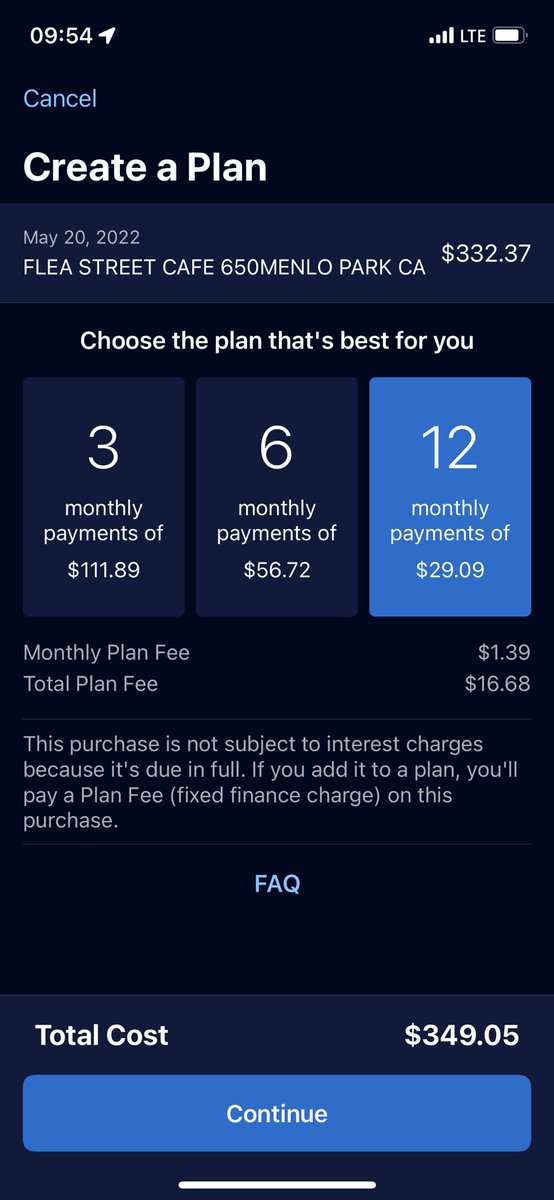
I’m going to use Plan It, which offers me several installment plans — 3, 6 or 12 months. No interest but a monthly “plan fee”

This works great, but to the point at the beginning — it misses the fact BNPL is a *promotional tool used by manufacturers and merchants to sell more stuff* — eg, Toyota often offers and *advertises* 0% financing to induce you to buy (promotion!)…not “post payment planning”

More on this from a thread I wrote in September 2021: https://x.com/arampell/status/1435692945387048964

ApplePay is awesome, and integrating installments to ApplePay makes sense, just like it made sense for Amex, above. But the “consumer + merchant + manufacturer” magic of BNPL happens when merchants/manufacturers can lower rates and extend terms to consumers…

…and can actually integrate those lower rates and extended terms into promotional materials in order to bring customers TO the checkout. It’s “too late” to first show this in the literal checkout line…which is why car manufacturers have run financing promotions for decades.

BNPL “done right” brings this same set of tools to any merchant and even any manufacturer (see long BNPL thread above on manufacturer-sponsored offers), helping unlock sales that otherwise would not happen

Why BNPL is an Early Threat to all of Payments

Originally posted as a Twitter thread on September 08, 2021


Why is “Buy Now, Pay Later” (BNPL) an early threat to trillions of dollars of market cap – Visa (almost $500B), MasterCard ($350B), card issuing banks, acquiring banks/services (Fiserv, FIS, Global Payments, etc)?

2/ Behind every card transaction there are FIVE parties: consumer -> issuing bank -> network (V/MA) -> acquiring bank -> merchant. The middle three get zero data on what items (“SKUs”) are being bought. Short video I made here:

BNPL makes no sense for, say, a $5 transaction at Walgreens. But do you want to get a 2 meter long paper receipt which you need to return that $5 item? Because of the architecture, there’s no way for the issuer to receive that AND the merchant doesn’t want to give it to them

Because the issuer, network, and merchant acquirer do not see SKU-level detail, financing is just “cash advance” and “everything else”
What if a merchant wants to lower the rate for SOME items? (Sell more!) What if a *manufacturer* wants to lower it across merchants? No can do

This what makes BNPL so interesting. It’s a **parallel** network, with SKU level information, that bypasses the issuing bank, card network, and merchant acquirer. It’s just the consumer, the merchant, AND (this is exciting!) a new participant: the product manufacturer!

Let’s say Samsung wants to create an installment payment plan for their new $1000 phone (b/c lower pricing sells more stuff!). How do they do this at, say, Walmart and Target and Amazon? When everyone has a different kind of credit card and those issuers don’t see SKUs? BNPL!

Right now this parallel network is being used for installments / customized financing – the clear product-market need and the hole the “one size fits all because of no SKU-data and five parties” created. But adding SKU-level info and manufacturers is a HUGE unlock for more

There have been many attempts to build a competing payment network (eg MCX: https://en.wikipedia.org/wiki/Merchant_Customer_Exchange) but they failed to address a consumer need. BNPL has both consumer demand and merchant demand, albeit for a subset of transactions

Over time, there’s no reason why any transaction – even the $5 Walgreens one – cannot be run over the BNPL rails, which are signing up merchants and consumers at an aggressive clip. Rather than a financing carrot, it might be a discount carrot, a warranty carrot, etc

Walmart et al created MCX because they hate (understandably so!) paying ~2% interchange fees. But those fees are protected by a very very powerful network effect. Walmart tried playing chicken in Canada — cutting off Visa cards in 2016 — and lost:

https://www.cnbc.com/2016/06/13/walmart-canada-to-stop-accepting-visa-says-fees-too-high.html

So you really need a *ubiquitous parallel network* with *consumer benefit* in order to go cold turkey against the current oligopoly and not lose sales. BNPL is just that. Merchants already use it, consumers already use it, and SKU data passes freely.

As the mobile phone increasingly becomes the consumer wallet, and as merchant payment terminals become smarter, you can also imagine a world where payments (and loans) automatically shift to the lowest cost/highest benefit provider…more here:

Open-loop payments (the V/MA system) are one of the greatest network effects of all time, and have created and *captured* tons of value. The moat is immense. But BNPL and mobile wallets are creating the first market-based (not regulation-based) cracks in the fortress.
FIN

Origins of Visa (and Payment Networks)

Originally posted as a Twitter thread on September 18, 2019


September 18th marks the 61st anniversary of the most valuable network effect of all time: the credit card. How did we get here? Read on. And read @opinion_joe ‘s book “Piece of the Action” for more…

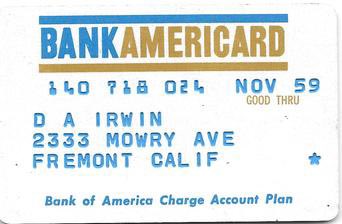
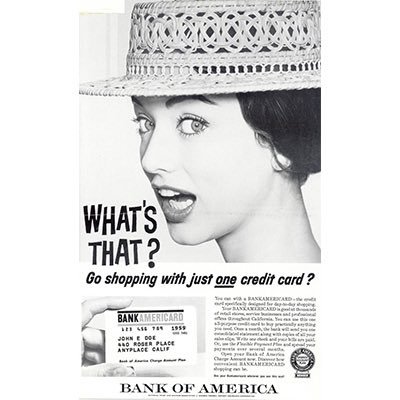
The epicenter of the revolution was Fresno, California. Facebook started with the contained network of Harvard students; the humble credit card started with 60,000 people in Fresno and a prominent company called Bank of America, then a California-only bank.

There was no application. 60,000 people just got a BankAmericard in the mail on September 18, 1958, ready to use.

There were “charge cards” like Diner’s Club before the BankAmericard Fresno drop, but there was no “credit” being extended. And you could go to a bank and get a loan, or get an installment loan for a specific purchase, but in person.

The credit card came out of Bank of America’s corporate think tank, called the “Customer Services Research Department,” run by a 41 year old man named Joe Williams.

Consumers were used to paying on credit, but each line of credit was either specific to a merchant (e.g., Sears), or a burdensome process requiring a new loan (in person) from the bank.

Williams thought the credit card — a multi-merchant product — would fix that. It really had two purposes: convenience and lending.

Fresno at the time had about 250,000 people, and *45% of all Fresno families* were Bank of America customers.

Credit card fees were set at 6% for merchants, and consumers — who just randomly got this card without applying — got between $300 and $500 in instant credit.

The brilliance of the 60,000 person drop is that Williams had effectively started with the chicken, in the classic chicken/egg cold start problem. On day 1, cardholders simply *existed* which permitted BoA to sign up all merchants who didn’t have existing proprietary programs

So Williams started in a seemingly random, highly concentrated town, immediately enlisted existing customers, and focused on fast-moving, small merchants — not the giants like Sears — all backed by a massive advertising campaign.

More than 300 merchants in the city signed up, the first being Florsheim Shoes (still around!).

Within 3 months, BoA was expanding concentrically — to Modesto to the north and Bakersfield to the south, and within a year San Francisco, Sacramento, and Los Angeles. Within 13 months of Fresno, there were 2 million cards issued and 20,000 merchants onboarded.

After the Fresno drop, other banks followed. Chase Manhattan was 5 months later on the east coast.

Williams assumed that collections would be a breeze, that late payments would never cross 4%, and that existing bank credit systems would work. Instead, less than 2 years after Fresno, Joe Williams quit BoA due to a series of disasters. The credit card almost died then+there

Delinquencies were over 20%. Fraud was out of control as criminals figured out how to replicate cards. Merchants (harbinger of things to come) hated paying 6% and the first battles over fees began. Some of them stole from the bank or customers, too.

And more broadly — and this is now illegal — simply giving people cards without having them apply, and without them understanding the consequences of wanton spending, created far more bad debt than BoA had ever seen (on a customer % basis).

The huge losses and mounting pressure almost caused BoA to kill the card program altogether. The founder was ousted. Instead, BoA persevered, and just a few years later BankAmericard turned a profit and grew like a rocketship, transforming how people pay and borrow.

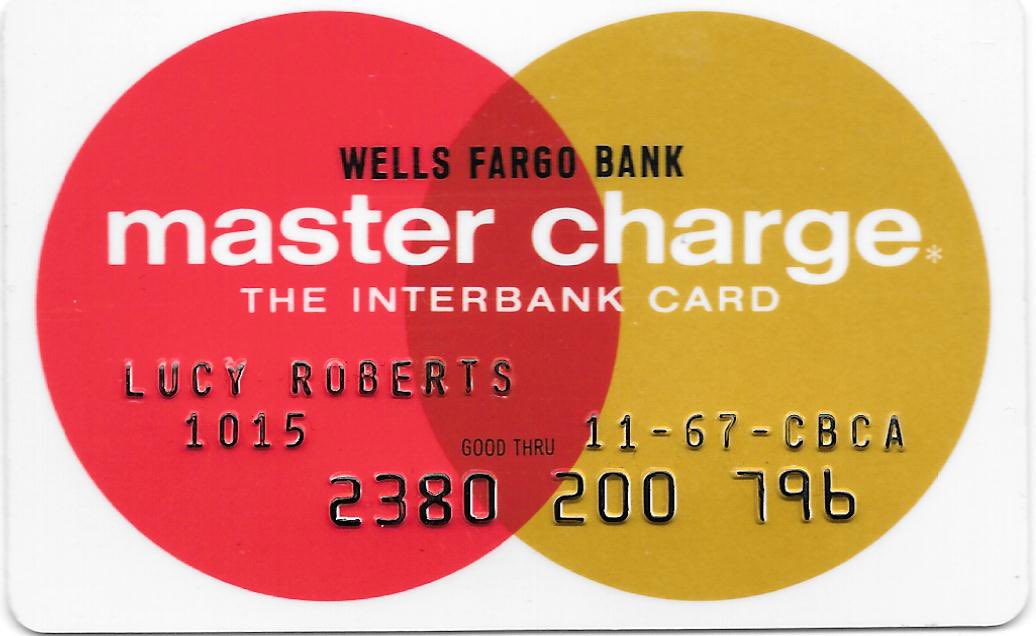
Eventually, BankAmericard became a non-profit consortium called Visa — uniting many banks with competing credit cards. A competing consortium called MasterCharge, later MasterCard, did the same with another set of banks.

Credit cards and payment cards are arguably the most valuable network in the world, with at least $1T of publicly traded market cap (Visa, MasterCard, the banks who issue them, etc)…all starting off in a little town called Fresno, on a random day in September of 1958.

More on how credit cards work today and their history:

And how all of this — and the creation of this powerful network effect — has an impact on how I think about crypto (old tweetstorm from last year): https://x.com/arampell/status/1042226753253437440?s=21

FIN

Currency vs Money

Originally posted as a Twitter thread on August 07, 2019


Controlling currency used to mean controlling payments. You print the money as the sovereign; all payments are transacted with that paper. But non-paper payments have changed that and yielded geopolitical risk…

David Ricardo coined the term “comparative advantage” — why trade makes sense. But there’s this issue of geopolitical risk. Growing *zero* food within Country X might be a bad idea if there is a war of anything that interrupts logistics…

So it’s been well-understood, as a matter of national security, that it makes sense to have self-sufficiency in several areas in case trade breaks down

Which brings us back to how currency now has little to do with payments. Governments have very little control over how commerce and payment networks work, or rather, the ability to *keep* them working

The two largest payment networks are in San Francisco (Visa) and Purchase, New York (MasterCard). They are the routers for a huge and growing amount of commerce in *all* countries but they are domiciled in the US, subject to its laws

It’s going to be interesting to see, as paper money goes away and commerce is transacted entirely via payment networks such as these, how governments react. It’s not clear to me that they really understand what’s happening

Great example of this here: https://www.reuters.com/article/us-russia-crisis-visa-crimea/visa-mastercard-stop-supporting-bank-cards-in-crimea-idUSKBN0K40TN20141226

Now if I’m the UK or France, I might think — hmm, what if that happens to me? In 10 years, things affecting the *commerce* supply, for lack of a better word, will be more influential than anything governments have done in “currency”

China is the only major (non-US) country to have thought this through, as they have their own payment network, China UnionPay, which can interoperate outside of China. But I suspect and expect this to be a bigger deal going forward…

And generally speaking, any network that has an outsize impact on the economy of another country will start being scrutinized more under national security guidelines OR be required to have separate instances that can operate independent of the parent…

For example, imagine that everyone in China took an Uber to work (pre Didi merger). Geopolitical risk having “key economic factor” based in San Francisco — chaos if Uber or the US government cut that off

Food supplies, petroleum, and products of war were the original “national security” risks that couldn’t be subject to plain old free trade. In the 21st century and beyond: NETWORKS.
Fin.

OS Wallets are an Existential Threat to PayPal

Originally posted as a Twitter thread on June 19, 2018


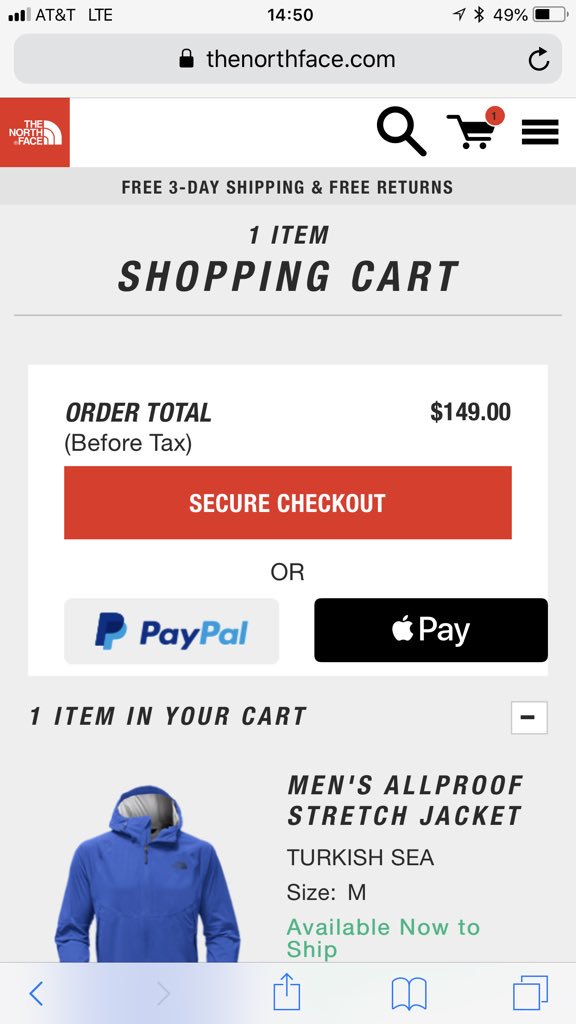
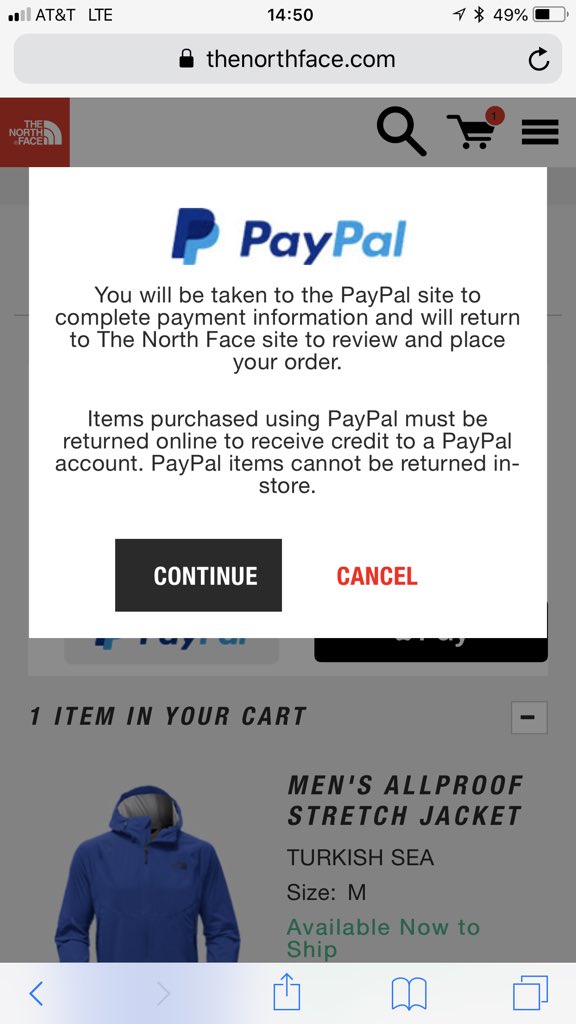
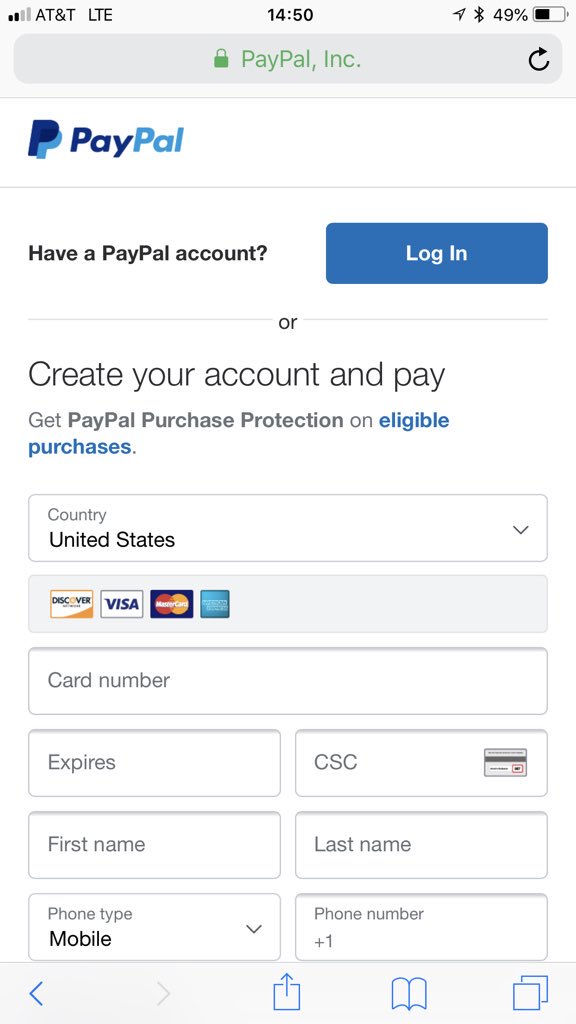
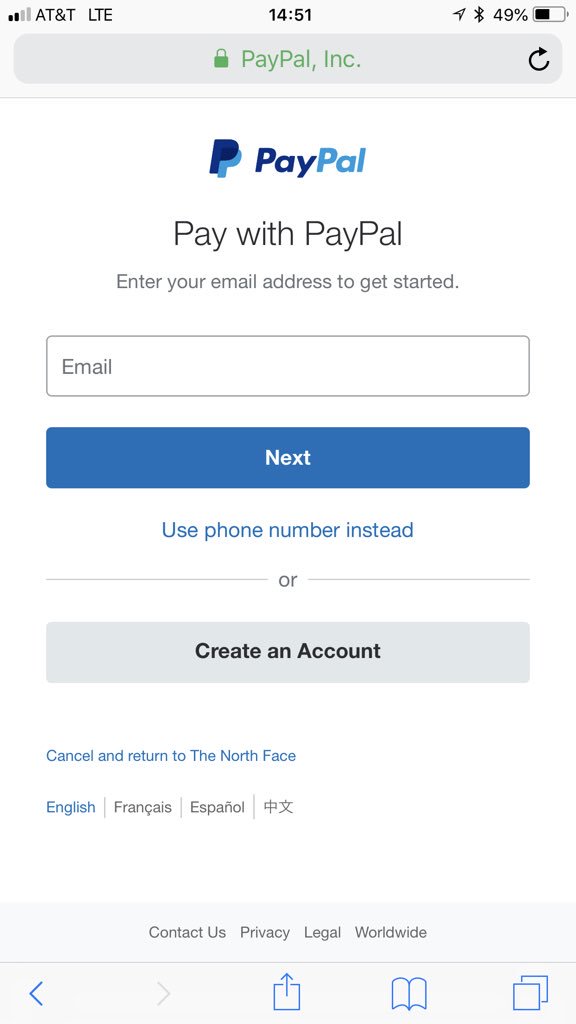
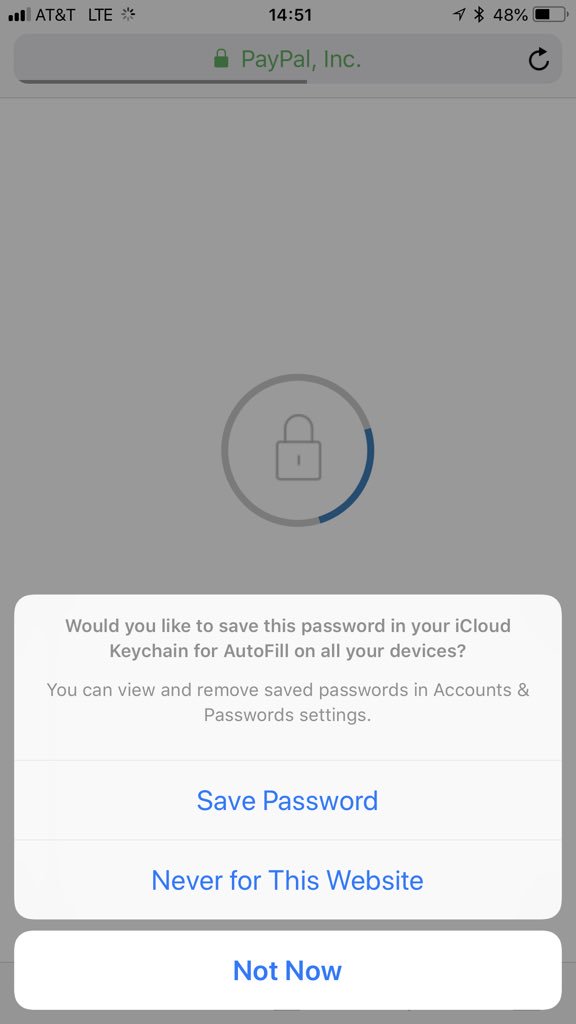
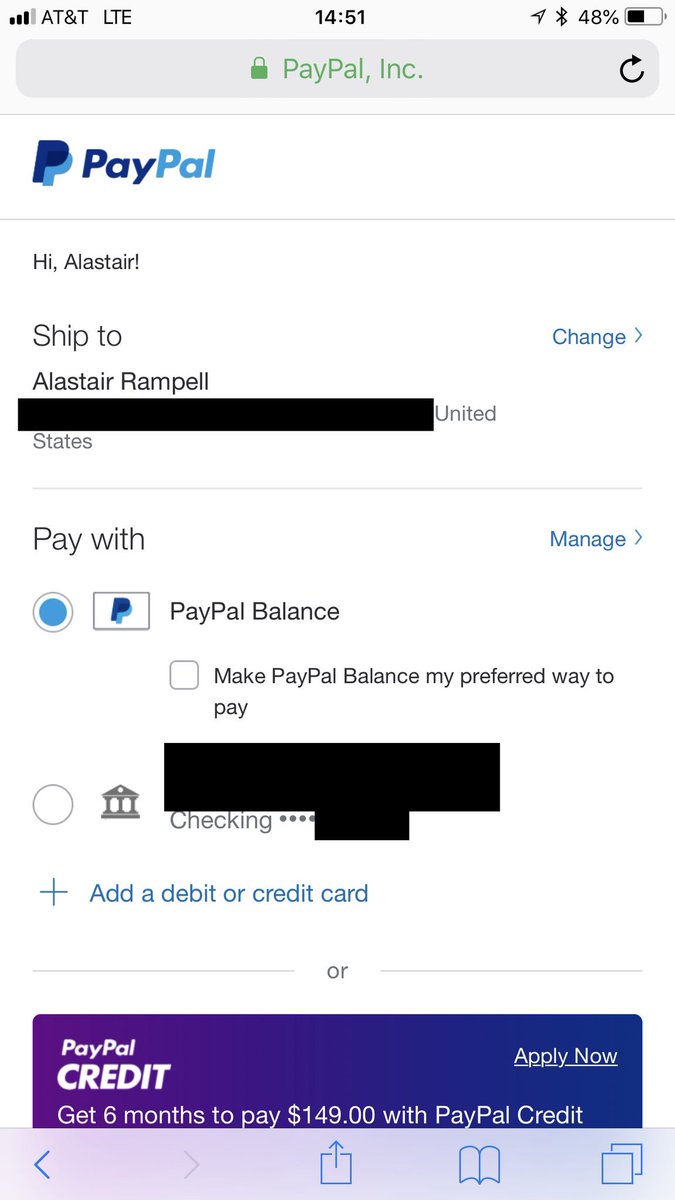
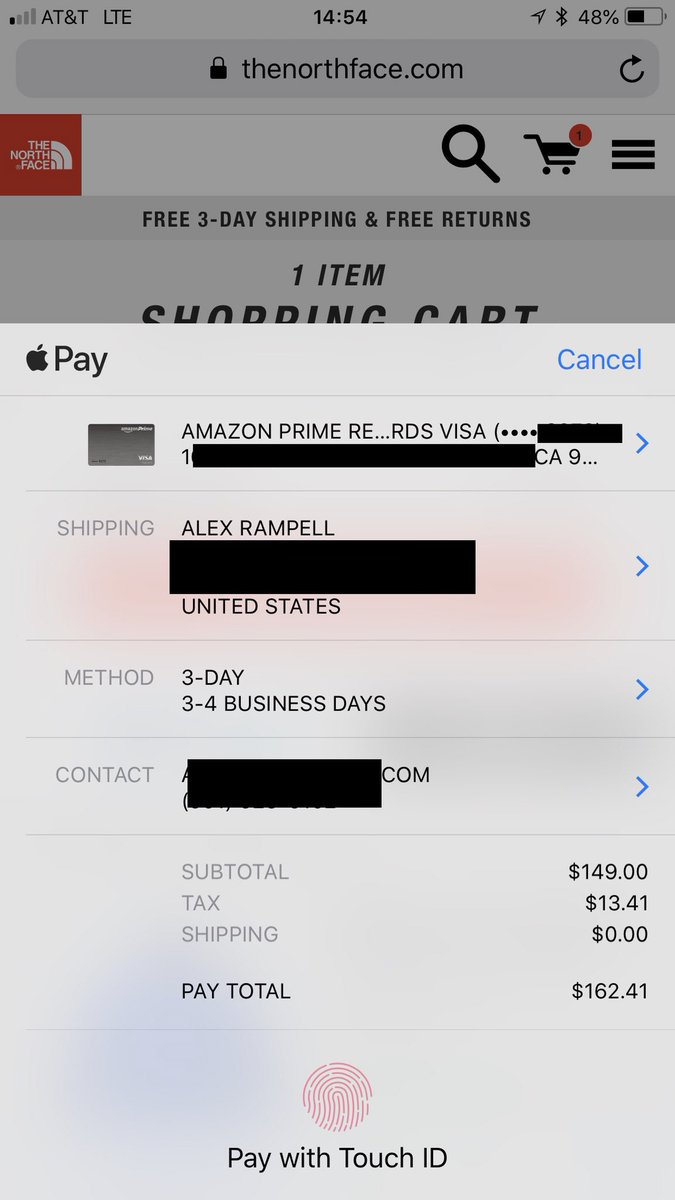
OS-based wallets like ApplePay pose an existential threat to cloud wallets like PayPal. Compare the experience at TheNorthFace with PayPal vs ApplePay. Eventually HomeDepot, Walmart, etc will embrace. PayPal smart to diversify. Let’s tweet this experience…

Ok, I have the jacket I want. Should I pay with PayPal or ApplePay?

Let’s pay with PayPal! Ok, step 1, leave the website I was just on…

Step 2, now login…

More logging in, step 3

Step 4, more…logging in

Step 5, more!

And there are still more steps. Now compare that to ApplePay, one step, built into the browser — and done

PayPal is hardwired into the checkout flow at many top retailers like http://HomeDepot.com, but unless they build their own mobile OS it will be impossible to bundle this as seamlessly as Apple

Expect widespread adoption of ApplePay *on the web* and for this to have a game changing effect

Payment Data Is More Valuable Than Payment Fees

We are in the midst of a great revolution in the payments space: anyone with a phone can now accept credit cards; online-to-offline commerce is allowing online payment for offline purchase and significant friction is being removed from the consumer purchase experience thanks to mobile. All of this innovation (read: competition), combined with government intervention, means that payment fees are falling, threatening revenue streams for incumbents and startups alike in the payments space. But a broader opportunity exists: using the data of payments to build a more valuable, more defensible business model, one not dependent on fees. The result will revolutionize offline commerce and online advertising.

Today: It’s All About Fees, and They’re Heading Towards Zero

Payment companies make money by charging fees to “process” a payment from buyer to seller. Square charges 2.75% (or $275/month for volume up to $250K/year). PayPal Here charges 2.7%, as does Intuit GoPayment. Groupon and Amazon are both supposedly working on their own dongles, and prices will continue to fall, especially as these new devices create “one-sided” networks without significant defensibility outside of switching cost and inertia. “Pay with Square” is a potential game changer, as the millions of Square user accounts can ONLY be used with Square. But basic “acceptance of credit cards” is becoming a commodity where prices will keep going down.

Competition between payment companies is only one leg of inevitable downward pricing pressure. Government intervention is the other. Not too long ago, the Australian government decided that payment fees were too high, so now most Australian merchants pay less than .5% for credit card swipes, a fraction of the cost here in the US. The European Union is likely to enact similar legislation. The Durbin Amendment of Dodd-Frank and the $6B+ (pending) Brooklyn Settlement are US-based government and civil attacks on the business of payment fees. Many of these fee-cutting regulations help intermediaries like PayPal and Square short term, by reducing their cost (owed to the Visa/MasterCard infrastructure), but eventually it limits what they can charge, too.

Wherever fees end up, most merchants will still dislike paying them. They are a “cost of doing business” that every merchant has an incentive to bring down. Payment companies generally aren’t delivering new customers; they’re taxing the flow of existing ones. Google effectively charges 20-30% to deliver a customer (if you back out the cost-per-click to percentage of realized sale) to an ecommerce merchant, yet merchants are competing to hand Google more money because each dollar “in” produces more than a dollar “out.” Payment companies charge a fraction of Google, but are often despised (witness the lawsuits and legislation) or treated with promiscuous disrespect.

It comes down to something rather simple: Connecting the bank accounts of buyers and sellers will never be as valuable nor defensible as connecting buyers and sellers. Google delivers customers at the top of the funnel, and payment companies serve the prosaic, but necessary, task of shuffling funds at the end.

Tomorrow: Payment Data Will Revolutionize Commerce & Advertising

As society goes increasingly cashless, payment companies will have a larger business, and a more valuable one, in closing the loop for offline transactions and helping deliver customers. The data they possess is without equal; did somebody buy something? How much did he spend? What did she buy? Paper money cannot be tracked in this manner. In order for Online-to-Offline commerce to take flight, every merchant needs an ability to track online/mobile action to offline purchase, and PayPal Here, Square, GoPayment and others could provide just this for a whole new class of small merchants.

Imagine that Wendy’s, or even a local handyman, wants to advertise on the Internet. What’s the point? What does a click, or an impression, really mean? It’s clear what it means online, since every click can be measured to “action” (e.g., purchase) for an ecommerce company. Who can tell Wendy’s, or the local handyman, if that online advertisement worked?

In an increasingly cashless society, the answer is pretty clear: the payment infrastructure. Tracking that purchase back to the originating source (Google? Yelp? Patch? etc) is known as “closing the loop” and will revolutionize offline commerce and advertising alike.

The million-plus merchants walking around with Square, PayPal Here, and GoPayment dongles want more customers, and these dongles provide a means to “close the loop” and let those merchants acquire more customers, remarket to those customers, understand those customers, and do everything that ecommerce companies have taken for granted for over a decade. Legacy POS systems were poorly integrated and insufficiently verticalized, often requiring a merchant to have separate relationships with every player in the payment chain (hardware vendor, merchant bank, CRM system, etc); moreover, they were priced out of reach of the sole proprietor.

Beyond closing the loop, payment companies can utilize data from existing transactions to generate more transactions. Companies who maintain a direct relationship with the consumer — such as American Express, PayPal, Square, Discover, etc — are in the perfect position to serve as an Amazon recommendation system for “everything.” You bought a tennis racket at Sports Authority? How about tennis lessons with Saul the tennis pro, at a discount thanks to your purchase of a tennis racket, only redeemable with the same payment instrument? You weren’t searching for Saul, and you wouldn’t want an unsolicited email from Saul, but seeing an advertisement for Saul shortly after buying a tennis racket (say, on your purchase receipt) would likely produce a response. It’s a way topreeempt search for a large class of “secondary” purchases (e.g., charcoal after buying a grill; tennis balls after buying a tennis racket, etc), in a “pull” based way.

None of this is to say that the fees charged today are wholly unreasonable and unconscionable; they’re just not long-term defensible as more parties offer the same conduits to existing credit card infrastructure. I have $40 cash and five credit cards in my wallet right now, so any merchant wanting to charge $100 for some widget can either get 97.25% of $100 (if using Square), or $0. That’s an easy decision and shows why things like Square and PayPal Here are hugely beneficial to merchants and consumers alike. But longer term, as those fees continue to compress to the benefit of merchants, the larger business will be in applying the data of payments to the benefit of merchants, consumers, and payment providers alike.

Service as a SKU

(Originally guest-written for TechCrunch)

The biggest ecommerce opportunity today involves taking offline services and offering them for sale online (O2O commerce). The first generation of O2O commerce was driven by discounting,push-based engagements, and artificial scarcity. The still-unfulfilled opportunity in O2O today is tantamount to tacking barcodes onto un-warehousable services by standardizing and normalizing the units being sold, something I call “Service as a SKU.” Just as Amazon figured out how to build the best warehouses and technology in the world for delivering boxes, somebody will do this for “unboxed” services, with customers driven not by discounts or scarcity, but rather by the Internet’s hallmarks of customer experience and convenience. And unlike how “ship stuff in a box” ecommerce seems to be gravitating towards a few winners, Service as a SKU is still a wide open playing field.

The idea is to turn every service, or unit of commerce, into what retailers typically call a SKU (Stock Keeping Unit). Imagine the following as “items” you can buy, and have “delivered,” with a simple click or tap:

“1 Unit of Plumber-Fixes-Your-Leaking-Toilet”
“1 Unit of Dentist Fixes Your Crown”
“1 Unit of 12-Inch Hole-in-Roof-Is-Fixed”
“1 Unit of Piano Tuner Tunes Your Piano”
“1 Unit of Set Up a Home WiFi Network”

Groupon and LivingSocial, early leaders in O2O commerce, started a wave I wrote about a few years ago, but have historically focused on discounting and creating demand by artificial time or quantity scarcity. There are two main problems here:
-Adverse selection: Groupon et al tend to attract customers looking for deals. This is not what Amazon does, and not how most consumers shop for necessities (e.g., fix my toilet!).
Push v Pull: Groupon et al tend to rely on “push” (e.g., email) to drive a tremendous amount of sales. Unlike Google, eBay, Yelp, or Amazon, people don’t tend to go to Groupon “unprompted.”

To successfully create a SKU for every service, you need to normalize both the service provider (price/quality) and the service being rendered. It’s more like buying produce than buying something mass-produced in a factory. Or, perhaps more accurately, it’s more like booking a hotel reservation, where the rooms are anything but identical, there exist varying degrees of quality, but there are also quite a few commonalities.

The company that pulls this off will need to have the following:

-A seamless scheduling system, deployed at various service providers, to allow real-time inventory management. OpenTable does this for restaurants, and hence can provide a marketplace for “tables” at opentable.com. You can’t sell boxes without knowing how many items are in your warehouse; you can’t SKU-ify a Service without knowing how many hours are available.

-A trusted ratings system to allow for normalization of services and parsing of consumer feedback. How do I compare a $100 “fix my toilet” plumber to a $175 “fix my toilet” plumber? Ideally this will work like hotels: every service provider has a “star rating” and an associated cost. Hotel rooms are reasonably similar; consumers can choose between a 5 star hotel or a 2 star hotel, and even different star levels have significant variance. Yelp and Angie’s List have tremendous assets in their community-based feedback, although payment companies like PayPal and Square have perhaps an even better potential asset on their hands (chargeback rates are a good proxy for merchant quality, every completed transaction can solicit quality feedback and not just from aggrieved/fanatical customers, etc).

-A no-discounts, no-push site. OpenTable gets people looking for restaurants, and needs neither emails nor discounts to make that happen. Yelp, Google, eBay, Angie’s List, and Amazon are all contenders as they all have consumers “coming back” unprompted. If the product and site are sufficiently convenient, this often happens organically; having a well-designed and convenient search, shopping, payments, and redemption experience avoids the need for push marketing.

-Relationships with offline service providers. Despite the flash nature of Groupon and LivingSocial, their merchant relationships are significant. Yelp has virtually every business profiled but perhaps not every business engaged in an economic relationship.

It’s important to note that Service-as-a-SKU is not lead generation for offline services, nor is it just a glorified scheduling platform. “Leadgen” has been around since the beginning of the internet, but there is no standardization or normalization, not to mention the convenience of “one-click” purchase. There are leadgen services for housing relocation, laser eye surgery, insurance, etc, but none let you actually make a purchase online. The hard part is in “normalizing” to create a single “service item” that can be scheduled, paid for, and “delivered” with a mouse click or smartphone tap. As an example, Uber has done this for black cars, and EXEC is fixing hourly prices and limiting SKUs to low-wage labor services.

At 8:01 AM on June 26, 1974, a shopper named Clyde Dawson bought the first item — a 10-pack of Juicy Fruit gum — to ever be scanned with a UPC (universal product code). Today, barcodes are a part of every mass-market product bought and sold throughout the world. You won’t see plumbers, dentists, limo drivers, or gardeners walking around with UPCs on their backs, but we are poised for another shopping revolution of equal magnitude.

Say Goodbye to the Long Tail of Product Resellers (online)

The 1980s and 1990s witnessed the slow death of the “mom and pop” general store, replaced by superstores like Walmart that sold everything from butter to guns.  Regardless of one’s position on this trend, it makes classic economic sense: by buying in bulk, Walmart commands better prices with suppliers, and then passes on lower prices to consumers. (Walmart has even been accused of “predatory” pricing to drive mom and pop stores out of business, raising prices after their disappearance.) By aggregating every product under the sun, Walmart can lure consumers in to buy staples (sometimes sold at/below cost), and cross-sell them other impulse items.

There’s one primary reason why Walmart hasn’t completely taken over the world: geography.  Walmart.com is a drop in the bucket compared to Walmart’s offline retail presence (remember that people spend far more money offline than online). Some communities keep Walmart out, New York City being one such example. And some people just live far away from Walmart.

But nobody can keep UPS or Federal Express trucks away, and the Walmart effect is going to be even more extreme online. This time Amazon is the big gorilla.

Consumers traditionally shop at retailer A versus B based on the intersecting calculus of five variables:

Price (actual price to consumer + “friction” in ordering process)
Geography (proximity to consumer)
Selection (do they have X in my size, or sell rare item Y?)
Service/Brand (do I trust/like them?)
Experience (is it easy/designed to shop for X?)

Internet commerce has witnessed incredible price transparency, where the Walmart effect can play out without any pesky geographical barrier for most items that UPS will ship; this explains why there are 41,000 shoe stores offline in the US but maybe only 5 of scale online.  That leaves Selection, Service, and Experience.  Selection explains why a small site like SquashGear.com is likely thriving, and Service shows how Zappos got to $1B in sales.

The danger is that when a niche becomes big, it will simply be invaded by Amazon, the Internet’s Walmart. I’m pretty certain that if Squash becomes the number one sport in America, Amazon will “go big” and put squashgear.com out of business by squeezing better prices out of suppliers and providing lower prices to consumers, combined with a world-class logistics engine.

If you’re an entrepreneur itching to get into e-commerce, remember that you can’t compete on geography (unless you’re cloning an existing retailer in a region where there is no Amazon), and you can’t compete purely on price.  But here’s what you can do:

Cultivate a better shopping experience: BlueNile is simply a better place to shop for engagement rings. Zappos is a better place to shop for shoes. In some cases, what makes Amazon.com great (every shopping experience is the same) is also its greatest weakness.  Some things are designed to be bought differently.

De-Commoditize: If you’re just another reseller of a generic commodity, you better have a pretty clear advantage outside of price…but these are often tough to come by.  Diapers.com is one of very few companies that has out-Amazoned Amazon. If there’s something unique you can add to the order (e.g., proprietary software that consumers can use with the commodity good) it makes it easier to differentiate and provide value to the consumer in excess of a nominally higher price. For example, a vitamin reseller might be wise to develop a smartphone app to remind consumers of pill times…and bundle it with every order.

Build a marketplace for buyers and sellers, don’t be a reseller. Etsy, eBay, IronPlanet, Copart, Elance and others have built great value by focusing on the defensible art of the network effect.  This area is far from played out, and there are many marketplaces waiting to be created for verticals from babysitting to piano lessons. The best marketplaces tend to be for frequently purchased items with a diverse quantity of sellers and few repeated interactions.  For example, you want to eat at different restaurants, but typically go to the same piano teacher for years, so it’s easy to see why OpenTable might be bigger than a piano lesson marketplace.

Distributed commerce: Who can beat Amazon on price? The companies whose products are sold on Amazon!  Outside of the Kindle, Amazon is merely a reseller — marking up the price of others’ products, so those “others” could theoretically beat Amazon in selling direct to consumer.  But most manufacturing companies do not do a very good job selling products direct to consumer, and hate to risk channel conflict.  And consumers prefer to shop at supermarkets, not “silo” markets.  Imagine a world of decentralized commerce — where you can shop at any number of manufacturers within the context of one meta-shopping cart or wallet.  It might be a pipe-dream, but it’s a huge opportunity that could beat Amazon on price and selection if the experience and service components could be filled in.