Category Archives: Fintech

Digital Payments are Going to REALLY Grow

The payments market is going to massively expand over the next decade because:

1. ANYONE can now build anything digital — AI code creation means exponentially more digital SKUs that can be created and, of course, paid for. We are in the very early innings here. The gating item is just human creativity. It’s not just software. Can you whistle or come up with a tune? Then you can compose music (no need to learn to read music or know music theory). Can you think of an idea for a movie? You can just…create one. Etc.

Combined with:

2. Almost anything that was “payroll” (paying PEOPLE) can now be “payments” (paying for THINGS). For example: “Hiring an assistant” or “hiring a paralegal” (both payroll) -> paying for a SKU.

We don’t think of ADP or Paychex as payments companies because they aren’t; they are payroll companies. Paying people != paying things.

But more tasks/outputs that were once only available through “paying for people” now become available for purchase on a credit or debit card. This is already starting to happen and accelerate.

And of course, this is not zero sum! Much of this is “everything to the right” of the supply-demand equilibrium point, where there’s conceptually high quantity demanded at a very low price where there’s heretofore no (human) labor supplied. Lots of people will want to purchase a SKU who were unable to hire a person historically.

First Principles on Lending…

Original Posted: https://x.com/arampell/status/1893883095646093315?s=20

From first principles: If you ask me to loan you $100, and I think there’s a 50% chance you don’t pay me back, I should only make the loan if I get $200 back. Otherwise, I shouldn’t make the loan! And you won’t get the loan.

The A in APR is Annual, so even if I think there’s only a 10% chance you don’t pay me back, and the loan is a week long, the APR will be enormous on a percentage basis, but only $11.11 on a dollar basis (.9 [probability] X Repayment = $100, so Repayment = $111.11)

That’s a nominal APR of 577% (or a compounded rate of 23,900%).Should that be “illegal”? If you want to restrict access to credit, then yes. I think most people would say that being able to loan their friend $100 to get back $111.11 the next week when their friend is only 90% reliable…should be perfectly fine…particularly when both parties opt in.

These headlines always miss the fact that most Americans don’t have good access to credit and more competition is the best way of lowering costs, not forcing banks to make money-losing loans (that doesn’t work!) or making it hard to start new companies to compete (the CFPB enjoyed doing that)

How AI Will Erode Bank Profit Pools

Originally posted as a Twitter thread on May 17, 2023


I’ve often written about how friction/inertia preserves giant gross profit pools in financial services.

The missing link to change this is what I would call a “consumer signup RPA” — which AI can do

RPA: Robotic Process Automation. Take an “API-less” process and “just do it”

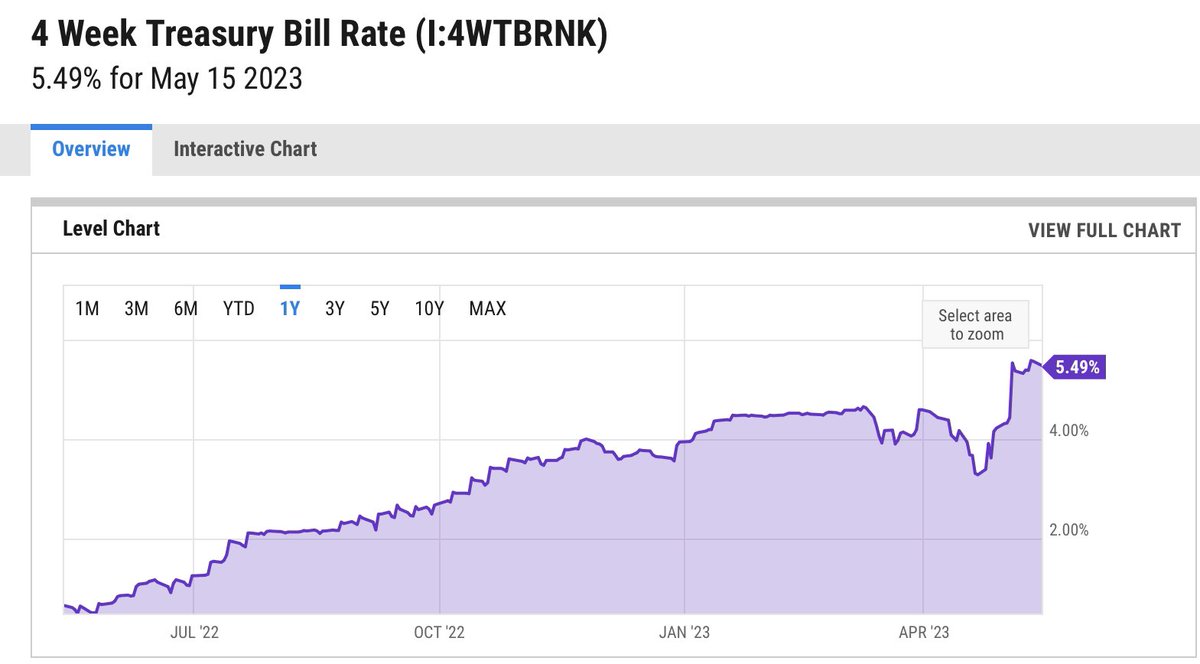
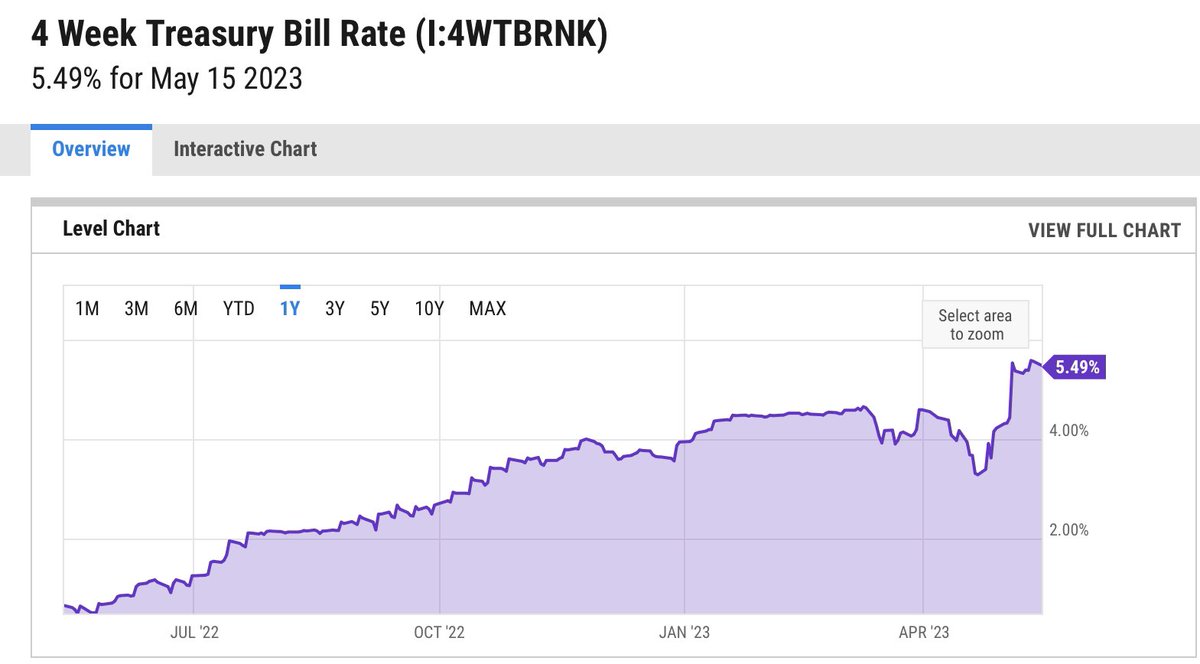
Nowhere is this more true than depository accounts. A 4 week Treasury Bill from the *US Government* pays 5.49% and a 1 year Treasury Bill pays 4.73%.

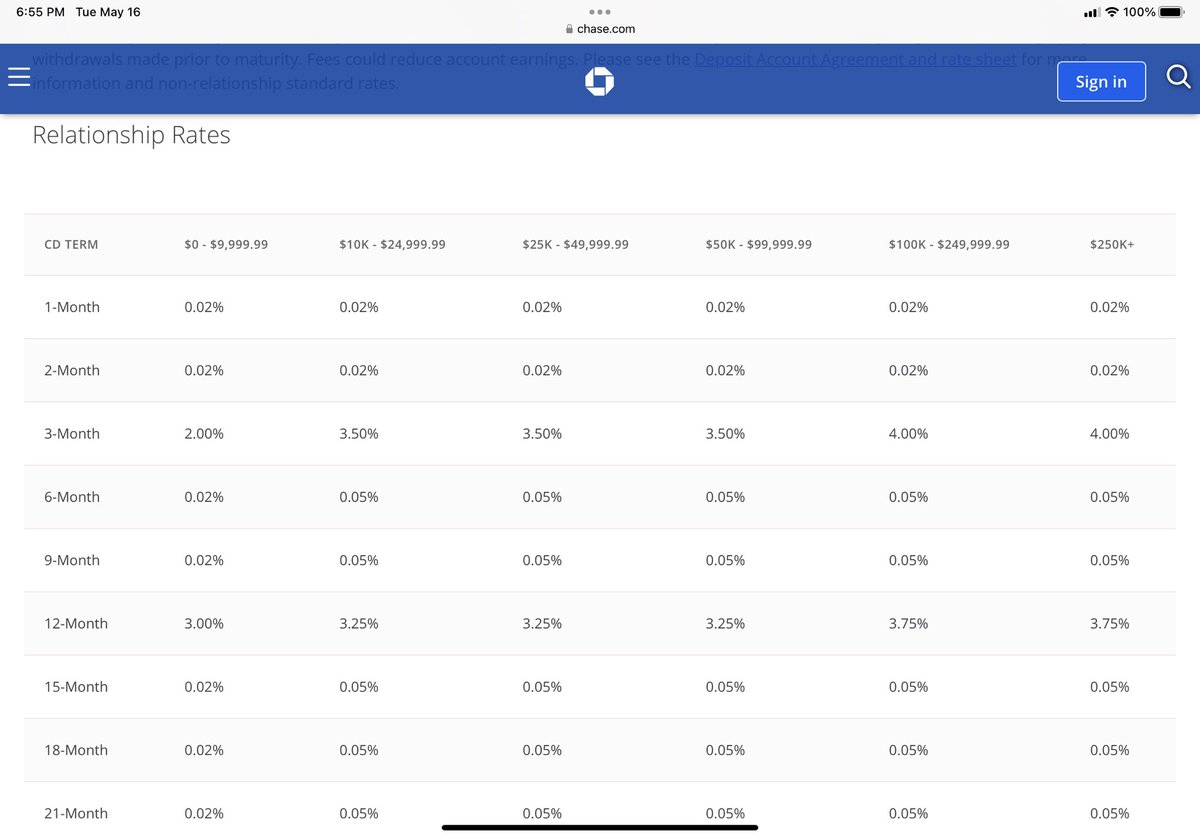
How much does the biggest bank in the US pay for the same…which of course is insured by the same US Government for ONLY up to $250K?

.02% and 3%, respectively…for a higher level of risk. You’d have to be insane to choose a CD with Chase vs a T-bill.

So WHY do consumers leave excess money or buy CDs with Chase? Three reasons:
1. They don’t know what yields are (Chase takes advantage of them)
2. It’s too hard to buy T-bills directly (try signing up for http://treasurydirect.gov)
3. It’s too hard to move money back and forth

The promise of Fintech (and in particular, tools like @Plaid) is that friction/inertia will no longer be an impediment towards consumers switching from the worst services to the best services.

Round One of this was “tools to read” information — let’s import your credit card purchases, or read your checking account number in.

Mobile Wallets have the promise of being a platform for financial services (the App Stores equivalent = financial products). I wrote about this back in 2016:

https://a16z.com/2016/04/25/digital-wallets-fintech-platform/

But AI is also going to transform this, because the incredibly painful (consumer) process of, say, buying short duration T-bills directly from the US government could now be…very easy. Or the seamless movement of money to meet bill pay needs and invest excess cash.

And the missing link for all of this has its technological answer in the form of Generative AI. AI has been used extensively in fintech, but primarily for “scoring” and “approving” things — speeding up backend processes.

But Generative AI is the mirror image: help automatically answer things on behalf of a consumer, bringing a generative robot to a 1990s workflow from a bank (or government) that’s unlikely to embrace, say, RESTful APIs.

And it’s not just about seeking higher yield or lower debt cost, which are particularly salient in today’s higher interest rate environment. Friction/inertia also keep people on their metaphorical financial Flip Phones vs meaningfully better products and experiences

Gen AI also has cost-saving, transformative opportunities for the big guys, too. But if they keep ripping off their customers, they’re finally going to start paying the price as “assistants” make breaking up easy to do…

The Future of Payments…is Red?

Originally posted as a Twitter thread on January 12, 2023


The Future of Payments…is Red?

What could disrupt Visa/MasterCard/Amex? How might a new payments Goliath start?

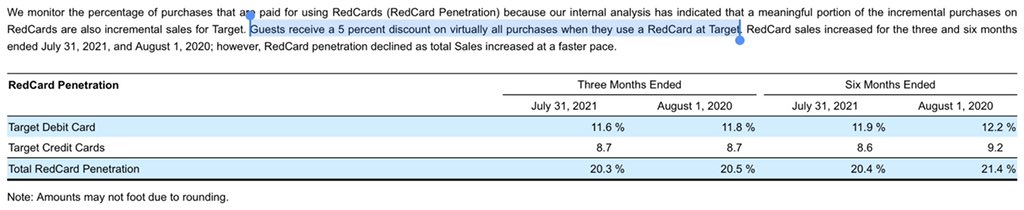
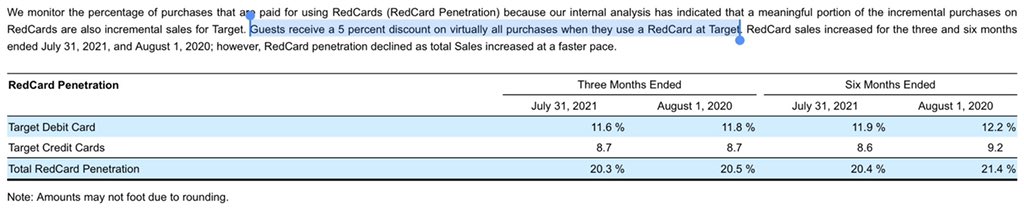
Let’s talk about the Target Red Card. Target did >$100B in revenue last year, 20% of which happened on its own cards:
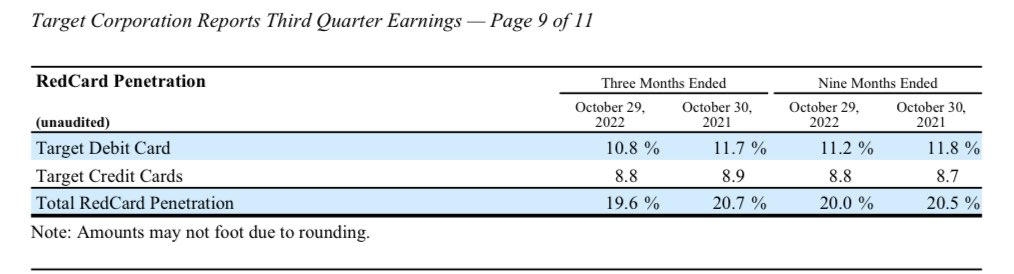
You’ll see “Target Debit Card” and “Target Credit Cards” (source: Target 10Q)

Many retailers have what are known as co-branded credit cards. Target’s is issued by TD Bank; Amazon => Chase; American Airlines => Citi. Some retailers make more on cards than on their core biz!

But what is extremely interesting, and has compelled me to scan every Target 10Q for years, is the Target Debit Card, which makes up over 11% of Target’s entire revenue. The Debit Card just pulls money directly from your bank account — allowing Target to not pay interchange.

It should be self-evident why this is important. Look at Target’s Q1-Q3 revenue last year — $76.6B sales, $2.4B pretax income. Imagine every Target transaction was credit card (not the case) @ a blended 2% fee => $1.5B in incremental income if shifted to ACH, 63% more profit!
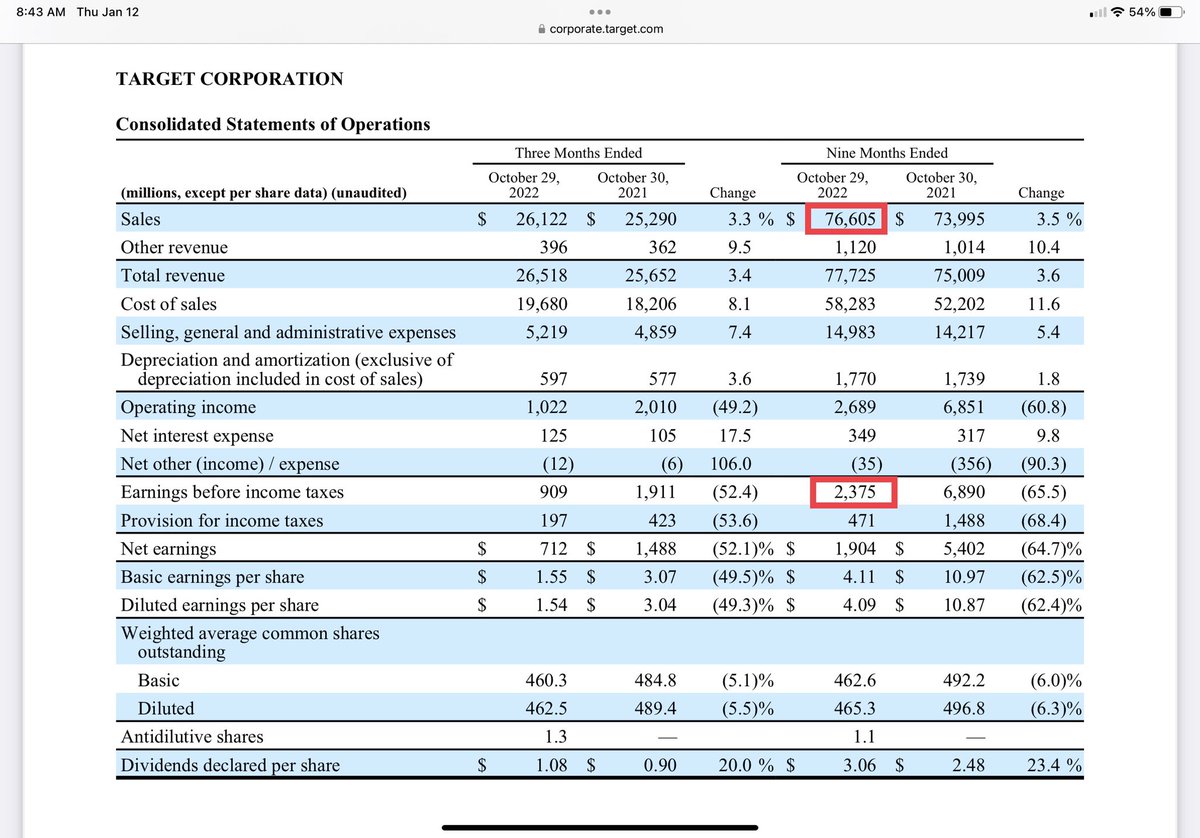
Target has impressively shifted 20% of their *entire* sales to their own cards. The only “illogical” part of this is that to save 2%, they are…giving up 5%, albeit to the user directly in savings at Target, which is the primary benefit of Red Card.
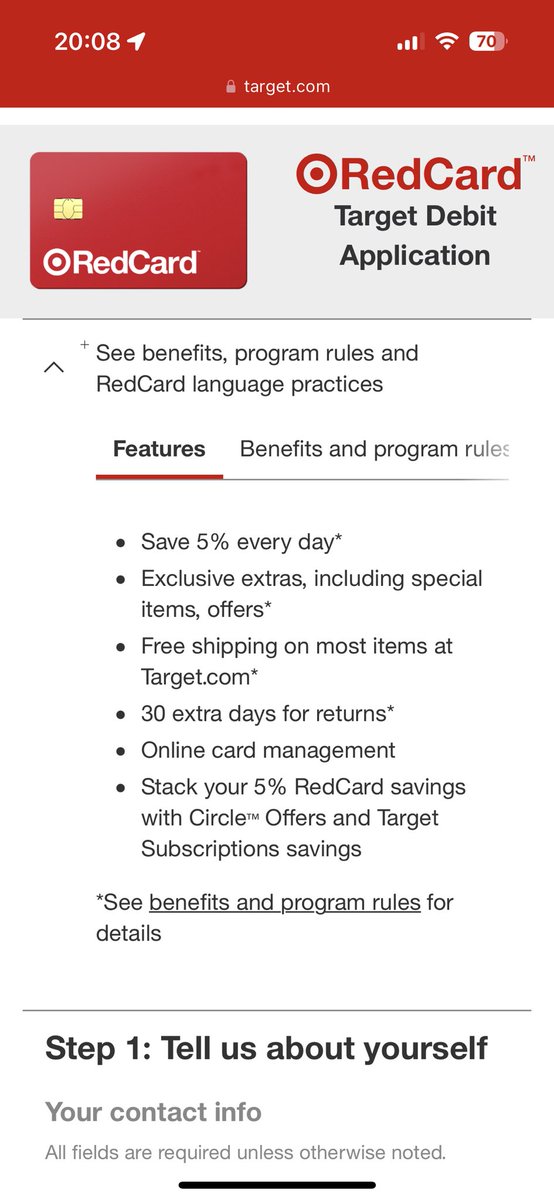
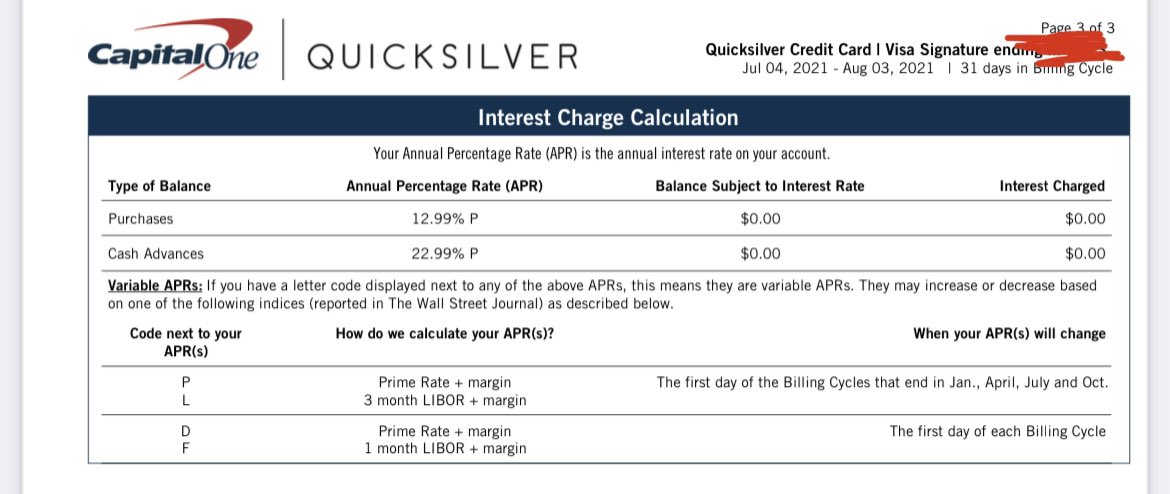
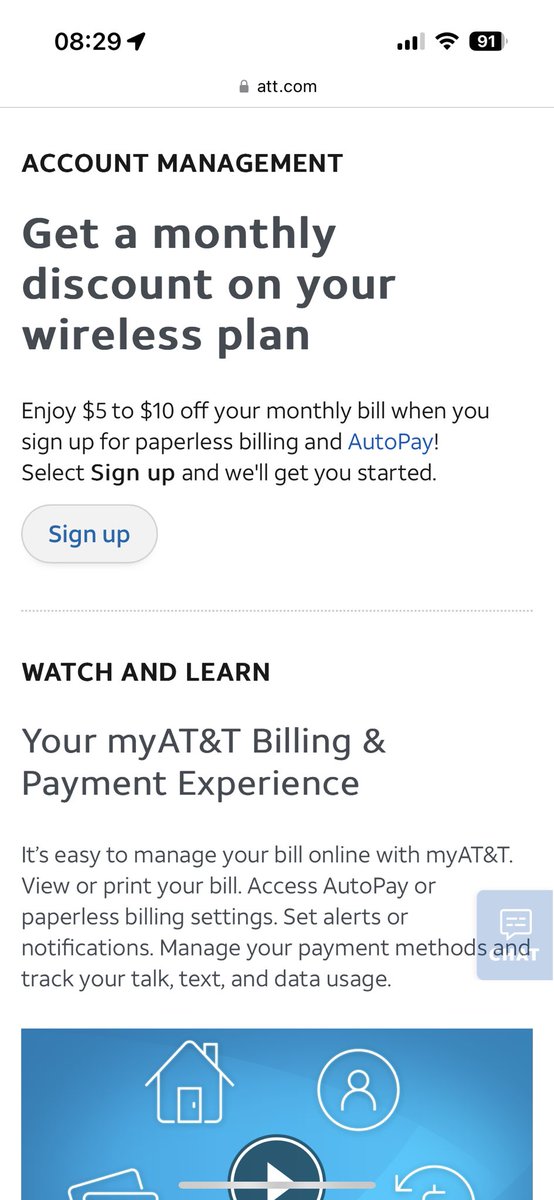
Target isn’t an outlier here. Most “frequent interaction” or high frequency billing companies do the same. Here’s Verizon and AT&T, which give you substantial savings monthly for moving your bill pay off credit cards and to ACH (or sometimes debit cards, given lower avg fee)
Image

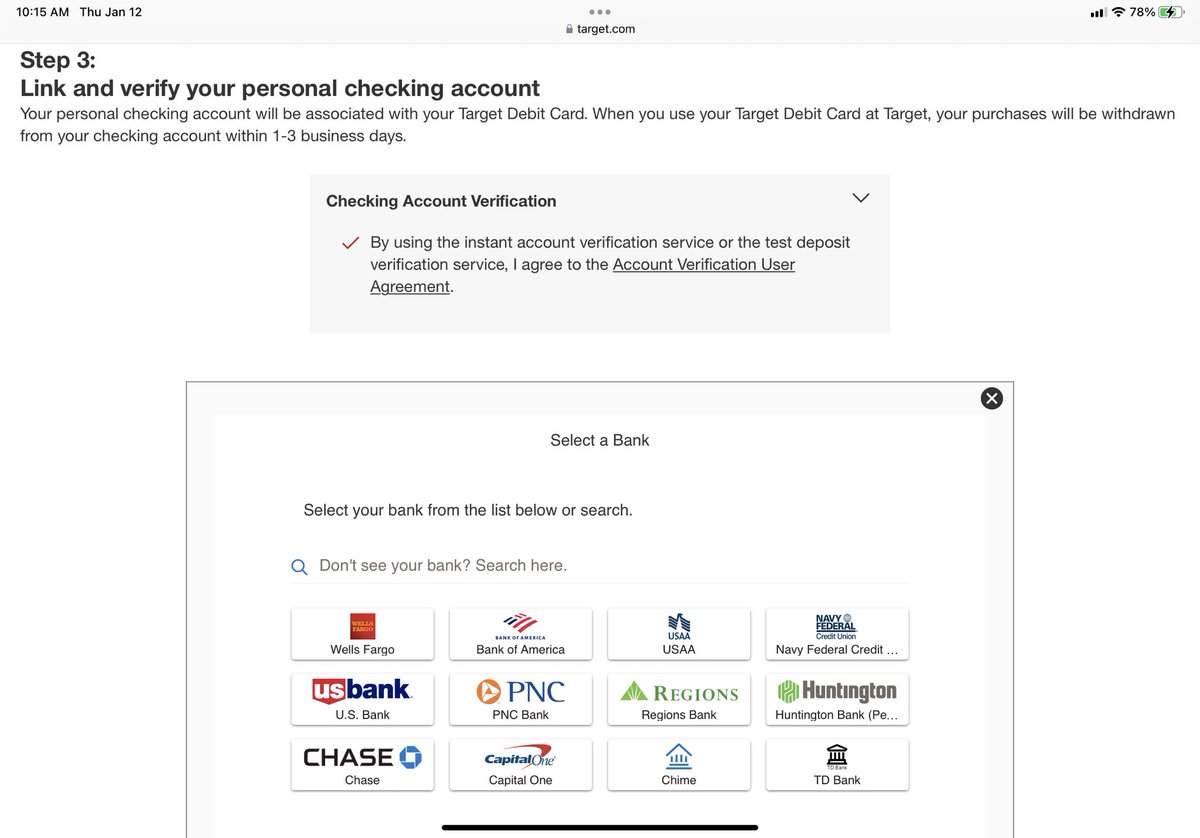
When you sign up for a Red Card debit card, you link your existing bank account and let Target pull funds from it. It’s just a “router” to your existing bank account.

Image

Image

So effectively the Debit Red Card is an abstraction layer around payments, mapping a POS transaction at a Target store to a subsequent low-cost ACH debit from an existing checking account.

This is harder than it seems. For anyone in Credit/Debit payments, you might recognize the “verbs” of payments: Authorize, Capture, Settle, Void, Credit. Not to mention things like chargebacks. ACH has fundamentally different “verbs” and Red Card is a Rosetta Stone of sorts.

Why is this potentially the future of payments? For one, tools like @Plaid have made the connection extraordinarily easy. You don’t have to remember your bank account number or “routing code.” Just log-in to your bank account ONCE and you’re done. Consumers are used to this.

Every “high frequency biller” should be doing this, and experimenting with pricing and benefits. Albertson’s, Netflix, Walmart, Costco, Safeway, Microsoft, Disney, etc. It’s likely trillions of $ of “frequent merchant-consumer interaction” payments that *could* shift.

While I think Target has been smart to roll this out, it seems paying 5% to save 2% (and justifying it by showing increased engagement, which likely reverses cause and effect / shows sampling bias!) is not smart. Better to provide one-time benefit to switch, I would think.

To wit: Log-in to Netflix. See a message: “Switch to direct debit, get $2 off this month. Just click here!” -> long term savings of $100M+/year to Netflix in North America alone based on projected interchange costs.

The “hard” part of this, not surprisingly, is software. What’s needed is “Red Card as a Service” for retailers — and in particular, “frequent interaction” retailers. This would likely sit alongside the existing payments stack, or maybe above it…

Because ideally the one team (at the merchant) that handles dispute resolution/chargebacks, or refunds, or store credits…doesn’t care about the tender type. All of that is just abstracted away into whatever tools they already use.

The other thing that’s needed is a much better onboarding experience. Frankly it’s shocking that Target is at 20% given how complex they make the onboarding and how much information they gather…better software/CX/UX would make it much more compelling.
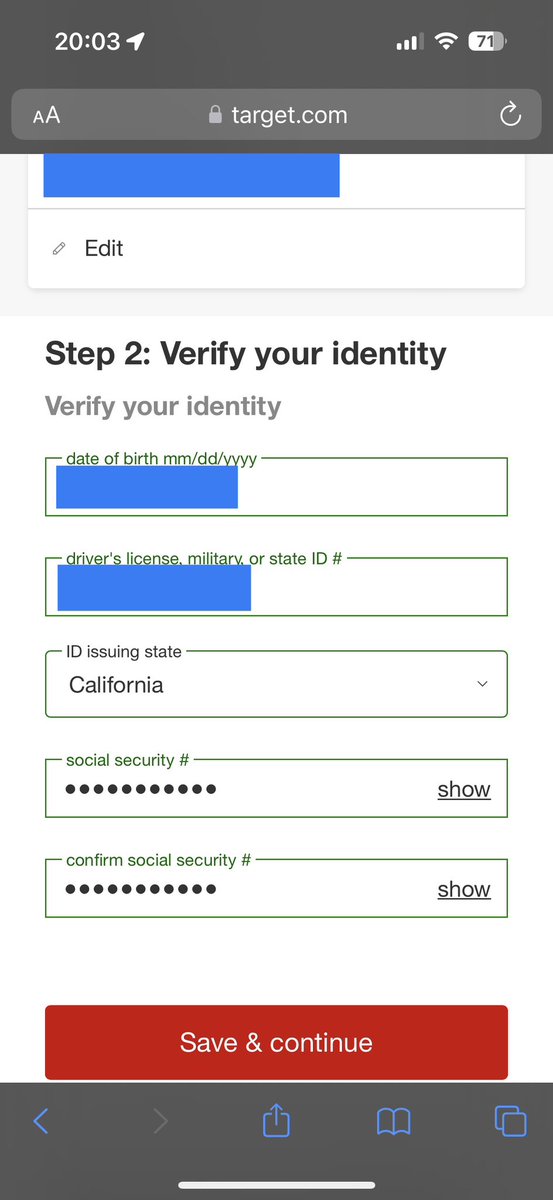
The truly magical experience would be what I would call the “Customer IQ Test.” An automatic mapping of their credit/debit card to their *existing* checking account could be done in the background…credit bureaus and other players already have this.

The IQ Test would thus be: “Do you want to save $5 right now by switching your Visa Card ending in 2655 to your Bank of America account ending in 7688? Click Yes to confirm and your’e done.”

Because fundamentally, the reason “Red Card as a Service” hasn’t taken off in the past is because of the twin moats protecting so much of banking. Inertia (hard to switch) and Rewards (merchant fees fund customer benefits, with banks in the middle). Inertia is now decreasing.

There are other huge benefits to a “frequent interaction biller” introducing this. E.g., “Pre-pay $1000 of spend at Safeway for $950” —> ensures that that person buys all of their groceries at Safeway. Or maybe a quasi subscription.

Not to mention all of the other “fintech” cross-sells available if you have a link to the customer’s checking account and a dominant/frequent relationship with them.

There’s a good question of how many frequent billers does the average customer have, what merchants might this make sense for, etc. But in general, the tools are coming/exist to make this easy, fast, and low-friction…and the economic incentive for merchants is MASSIVE.
Maturity Matters

Originally posted as a Twitter thread on October 25, 2022


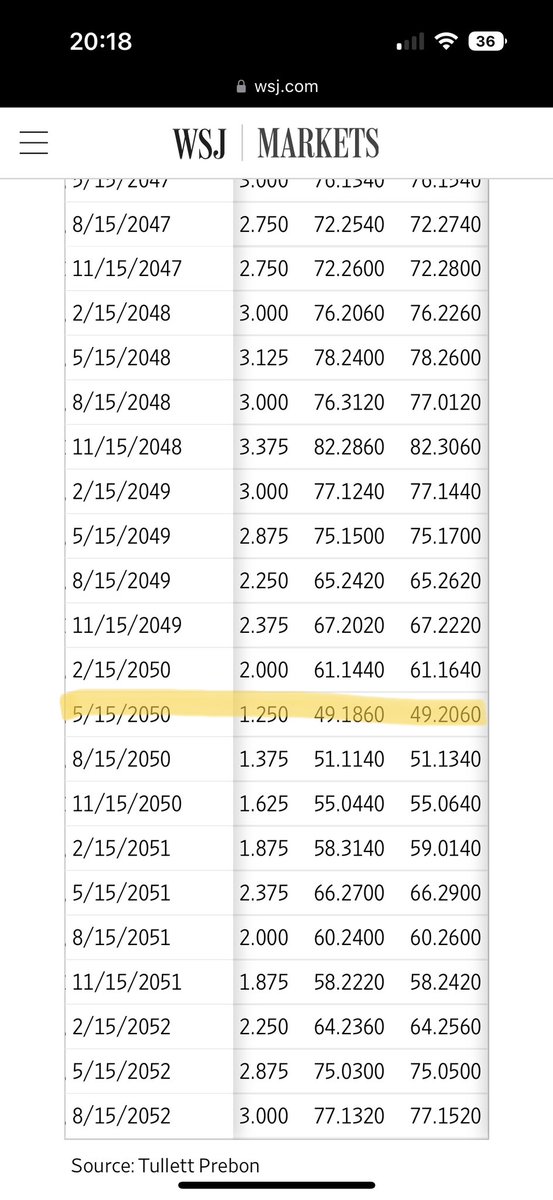
If you had bought the May 2020 30 Year T-Bill (1.25% Coupon) at auction, you’d currently be holding something worth LESS THAN $.50 on the dollar. The Aug ‘22 issue is trading at $.77!

If you are investing your cash, no matter how safe the instrument, MATURITY MATTERS.

I know Fintwit knows this. But if you are, say, an unprofitable startup investing your cash, *do not invest in long-maturity products* — it doesn’t matter how safe they are. Holding to maturity is not the benefit it seems. And the problems are magnified with illiquidity.

Stochastic Gross Margins of Financial Services

Originally posted as a Twitter thread on November 03, 2021


Many areas of financial services have “stochastic margins” per widget, but hopefully (obviously!) positive margins for the whole batch of widgets sold – unlike most manufacturers, with fixed/declining COGS at scale. This means many things when you build a “financial” business

You might make or lose money on the marginal loan, marginal insurance policy, marginal payment processed, marginal market-making trade. Apple makes the same margin on every iPhone 13 Pro it sells.

In no particular order, here are some things to think about:

Understanding adverse selection v positive selection is crucial. And the “default” (when you are providing pure MONEY) is being *overwhelmed* with adverse selection before the positive selection customers even show up. Bad loans, risky insurance, tainted properties, etc.

ONE FORM of adverse v positive selection is pull v push. In most businesses organic consumer adoption is a godsend. In risk, it is not! Compare people searching for “I need a loan” to people who get “pushed” a loan offer based on their highly desirable, prescreened credit

This is one of many reasons why postal mail works so well (surprisingly!) for lenders. It’s not just the saturation of the channel – it’s push v pull, picking your customers vs trying to pick through the sea of (possibly) adverse selection applicants

So tracking the **channel** against the cohort performance is *crucial* to understand which channels tend to have more of this adverse dynamic, even holding things like credit score or underwriting risk constant. Cohort customers by time AND channel (and other behaviors)

Be highly, highly tuned to “anomalously high” conversion rates. It might mean that you found a great channel, or it might mean you found a motherlode of desperate/bad/fake customers

A life insurance executive once told me that they found that post-midnight advertising on the History Channel was their most cost effective channel, but turned out to be netting very bad, depressed customers — which didn’t show up in medical underwriting but tracked to channel

Another form of adverse selection happens when you are buying/underwriting a subset of financial products without seeing the full set. Think lenders who sell SOME of their loans. The offered products are ipso facto riskier or worse than the retained ones.

The tail REALLY matters – cohorts need to season. If you are selling life insurance, you don’t know if you’re good or bad at underwriting until (sadly) people die. If you’re buying homes…until the VERY last homes sell.

A mistake I see many companies make is they record their early realized gains, and either assume that will continue or (equally bad) hold everything else in the tail at cost. The last trades are almost always the worst — that’s why it took so long to unload them

Promotions are their own form of adverse selection in “deal seekers.” PayPal once ran a giant promo (trying to launch their offline biz) with HomeDepot, and saw massive customer adoption – but all from SlickDeals deal seekers who saw opportunity for profit

so:
-let cohorts season before assuming anything
-understand channels
-always watch for adverse selection
-be vigilant watching for anomalously HIGH conversion rates
-push can outperform pull
-beware underwriting “subsets” of a customer’s business
-beware deal-seeking

iBuying and Marketplaces

Originally posted as a Twitter thread on November 02, 2021


few thoughts on iBuying in light of ZG news:
Amazon started off stocking every book it sold, but the vast majority of revenue is now 3P marketplace/FBA (Fulfilled by Amazon). Once AMZN aggregated consumer demand, it started aggregating other sellers and charging commissions

So iBuying is not simply “let’s take lots of principal risk by playing market maker.” Opendoor is aggregating a lot of inventory, which in turn aggregates consumer demand (direct to OD), which then would allow OD to aggregate 3P supply since supply follows consumer demand

the only way to do this is to buy the homes since, as a principal, Opendoor can choose to withhold from MLS and simply list direct. An agent representing a homeowner could try this but…there’s no strategic value to owner in risking lower price for “strategic value to company”

next: cohort math. The real embarrassment to ZG is that their misfire on this business impugns the accuracy of their apparently not very accurate “Zestimate.” But the reason for the misfire, IMHO, is about how cohorts work and age.

let’s say I buy 1000 homes this month for $300M. Avg price $300K. Between commissions, fixes, cost of capital, etc I might be shooting for 50bps profit at the end. But the last 10 homes to sell will make or break me. Why?

by virtue of the fact that they are my LAST 10 to sell, something must be wrong with them. Termites, ghosts, etc. I might need to discount them by 50% to sell them. But that 50% principal impairment wipes out my WHOLE cohort profit/is not realized until the END of cohort!

so basically:
-there is a lot of strategic value to aggregating supply -> aggregating demand to build a marketplace in the biggest asset class in the world. It’s not dumb to try.
-it is very, very hard to get it working, particularly since it will look good until the very end

Payment Network Effects and Incentives

Originally posted as a Twitter thread on September 27, 2021


There have been many attempts to topple payment network effects by paying users to switch. This almost never works, because (a) more people are motivated by convenience than small amounts of money, and (b) those motivated by money will suck up all the promotional budget ASAP

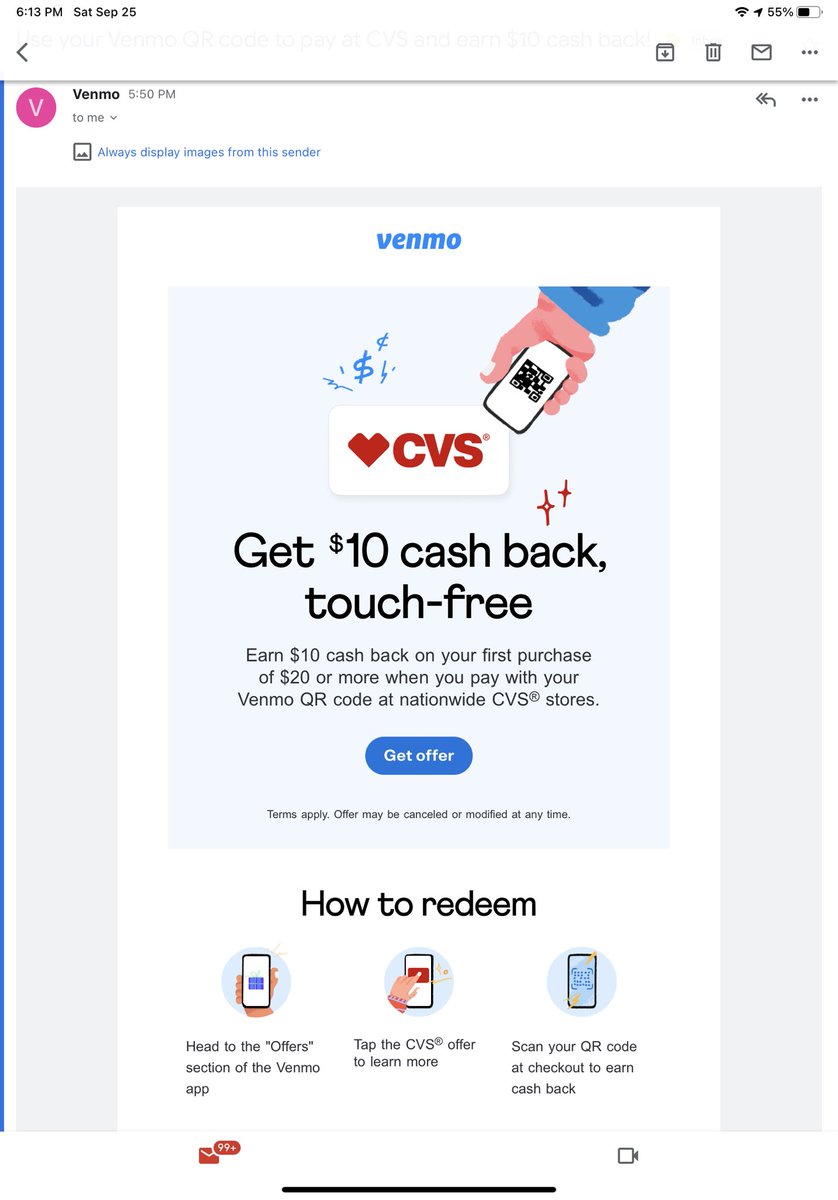
Good case study today is here, with Venmo, straight to my inbox. $10 of $20 at CVS! CVS doesn’t have 50% gross margins, so Venmo is almost certainly paying. But will “normal” people use this? Will it change behavior in a lasting way?

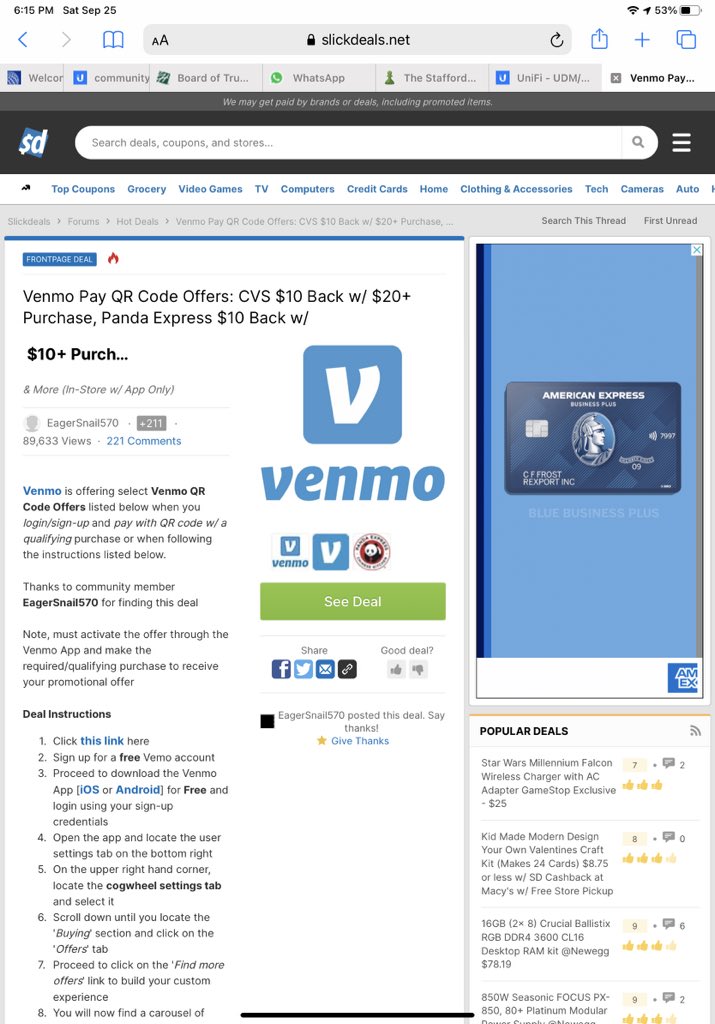
Whenever a promotion like this happens, the “deal hunters” of the internet rejoice! You can even buy a $20 CVS gift card for $10 + sell it on eBay for $15! See here, on Slickdeals…the promotion is capped (100M people can’t use it, that would be $1B!) and gets quickly depleted

PayPal did this with HomeDepot in 2012, in an attempt to jumpstart their offline business. https://www.wsj.com/articles/SB10001424052970203513604577145140658342670

Promotions aplenty (50% off etc), but it didn’t work…at least not in changing behavior. People (the deal seeking people!) pillaged the promotions and moved on.

A good rule of thumb: a new technology will take off “automatically” if it’s 10x better and 1/10th the cost. Payments offline just work, hard to make them 10x better (vs online, where many opportunities since people don’t memorize their credentials…lots of abandoned carts)

So then there’s cost, where you generate merchant excitement with anything that’s 1/10th the cost, but then fail to persuade consumers to adopt it since they lose their rewards. I often describe interchange as a problem of concentrated benefit (banks/V/MA) and diffuse costs…

Saving 2% on your $5 purchase is simply not compelling enough to sign up for a new payment instrument, or switch payment instruments, even though repeated enough times it’s real money. And the merchant might simply try to keep the savings, versus pass on to consumers.

Look at Target. ~$25B in sales, if this were all credit @ ~2% (it’s not) that would be $500M in fees, or a 20% bump to operating income if they eliminated it. Target has something called their RedCard, which now accounts for >20% of sales by…providing 5% (!!) discounts

So Target *did* switch 20% of people over, which is impressive — but would those people stick if the 5% rebate went away? Maybe…but probably not? (NB: Target made $172M last quarter in a profit sharing agreement with TD for the Target Credit Card)

It *is* valuable to become (and pay for) the default payment in a new wallet with repeat usage that’s “set it and forget it.” Uber, Starbucks, United, Amazon…all have “wallets” with stored value, and credentials, that could theoretically be used elsewhere (e.g., AmazonPay).

The reason I find BNPL interesting is, as I stated here, the ability to produce a parallel network that yields more sales and customer utilization “organically”:

https://x.com/arampell/status/1435692945387048964?s=21 https://x.com/arampell/status/1435692945387048964

Changing behavior is tough, and providing discounts and offers generally doesn’t generate the lasting behavior change companies want. Google learned this lesson with Google Checkout, Visa with Visa Checkout, MasterCard with MasterPass, etc.

13/ So the opportunities and questions are: can you *in a lasting way* appeal to convenience vs cost? If so, a one-time incentive *might* be just fine. Otherwise — it’s probably wasted ammunition against the impenetrable fortress of interchange.

Why BNPL is an Early Threat to all of Payments

Originally posted as a Twitter thread on September 08, 2021


Why is “Buy Now, Pay Later” (BNPL) an early threat to trillions of dollars of market cap – Visa (almost $500B), MasterCard ($350B), card issuing banks, acquiring banks/services (Fiserv, FIS, Global Payments, etc)?

2/ Behind every card transaction there are FIVE parties: consumer -> issuing bank -> network (V/MA) -> acquiring bank -> merchant. The middle three get zero data on what items (“SKUs”) are being bought. Short video I made here:

BNPL makes no sense for, say, a $5 transaction at Walgreens. But do you want to get a 2 meter long paper receipt which you need to return that $5 item? Because of the architecture, there’s no way for the issuer to receive that AND the merchant doesn’t want to give it to them

Because the issuer, network, and merchant acquirer do not see SKU-level detail, financing is just “cash advance” and “everything else”
What if a merchant wants to lower the rate for SOME items? (Sell more!) What if a *manufacturer* wants to lower it across merchants? No can do

This what makes BNPL so interesting. It’s a **parallel** network, with SKU level information, that bypasses the issuing bank, card network, and merchant acquirer. It’s just the consumer, the merchant, AND (this is exciting!) a new participant: the product manufacturer!

Let’s say Samsung wants to create an installment payment plan for their new $1000 phone (b/c lower pricing sells more stuff!). How do they do this at, say, Walmart and Target and Amazon? When everyone has a different kind of credit card and those issuers don’t see SKUs? BNPL!

Right now this parallel network is being used for installments / customized financing – the clear product-market need and the hole the “one size fits all because of no SKU-data and five parties” created. But adding SKU-level info and manufacturers is a HUGE unlock for more

There have been many attempts to build a competing payment network (eg MCX: https://en.wikipedia.org/wiki/Merchant_Customer_Exchange) but they failed to address a consumer need. BNPL has both consumer demand and merchant demand, albeit for a subset of transactions

Over time, there’s no reason why any transaction – even the $5 Walgreens one – cannot be run over the BNPL rails, which are signing up merchants and consumers at an aggressive clip. Rather than a financing carrot, it might be a discount carrot, a warranty carrot, etc

Walmart et al created MCX because they hate (understandably so!) paying ~2% interchange fees. But those fees are protected by a very very powerful network effect. Walmart tried playing chicken in Canada — cutting off Visa cards in 2016 — and lost:

https://www.cnbc.com/2016/06/13/walmart-canada-to-stop-accepting-visa-says-fees-too-high.html

So you really need a *ubiquitous parallel network* with *consumer benefit* in order to go cold turkey against the current oligopoly and not lose sales. BNPL is just that. Merchants already use it, consumers already use it, and SKU data passes freely.

As the mobile phone increasingly becomes the consumer wallet, and as merchant payment terminals become smarter, you can also imagine a world where payments (and loans) automatically shift to the lowest cost/highest benefit provider…more here:

Open-loop payments (the V/MA system) are one of the greatest network effects of all time, and have created and *captured* tons of value. The moat is immense. But BNPL and mobile wallets are creating the first market-based (not regulation-based) cracks in the fortress.
FIN

Directly Accessing Government: Fintech’s Final Frontier

Originally posted as a Twitter thread on January 15, 2021


The Internet has many legacies, but its greatest one is disintermediation — taking out the middleman. And the biggest ever disintermediation — of financial services — is coming to an app near you. This is where government should focus:
https://a16z.com/2021/01/15/fintechs-final-frontier/

Governments have monopolies on money and law-enforcement (only the gov’t can legally do those two things, crypto aside!). But there’s almost no way for consumers to interact with central banks! Just like there was no way for consumers to buy airplane tickets w/o travel agents

Want to send a wire? Get access to your PPP loan? Earn interest from the Fed (as banks do via “Interest on Excess Reserves”)? Got to be a bank. Consumers have to go through a travel agent, versus direct. Why can’t your SSN or FEIN be an “account” that can send/receive money?

This is not arguing for “postal banking” or any DMV-style nationalization of banking — which is a terrible idea. But monetary and fiscal policies that require intermediation are simply not as effective as “going direct” — which the internet and fintech allow.

Take interest rates and monetary policy in emerging markets. The Central Bank can/does hike rates to prevent capital flight. Doesn’t really work because banks “intermediate” and don’t provide that rate to consumers…who sell the depreciating currency in favor of USD/EUR.

In many emerging markets, banks hardly make unsecured loans to consumers. They just take deposits and loan to the government. Which is bad for the government, bad for their citizens, bad for their economy, bad for their currency.

More here. Fintech alone can’t solve this — but every single Central Bank should be thinking: how do I go direct? And I would love to see companies and tools (painful as the gov’t “sale” may be) that help facilitate this:
https://a16z.com/2021/01/15/fintechs-final-frontier/