Tag Archives: BNPL

BNPL and “Incumbent Does X”

Originally posted as a Twitter thread on June 07, 2022


“BigCo X offers installment payments on existing payment rails” is not really competition to a wide set of use cases that Buy Now, Pay Later enables, because without allowing the merchant or manufacturer to lower the interest rate or extend the term, it doesn’t change behavior

For example, Amex has offered *for a long time* a product called “Plan It” which works great and allows any purchase to be turned into a set of installments.

Here’s my Amex bill
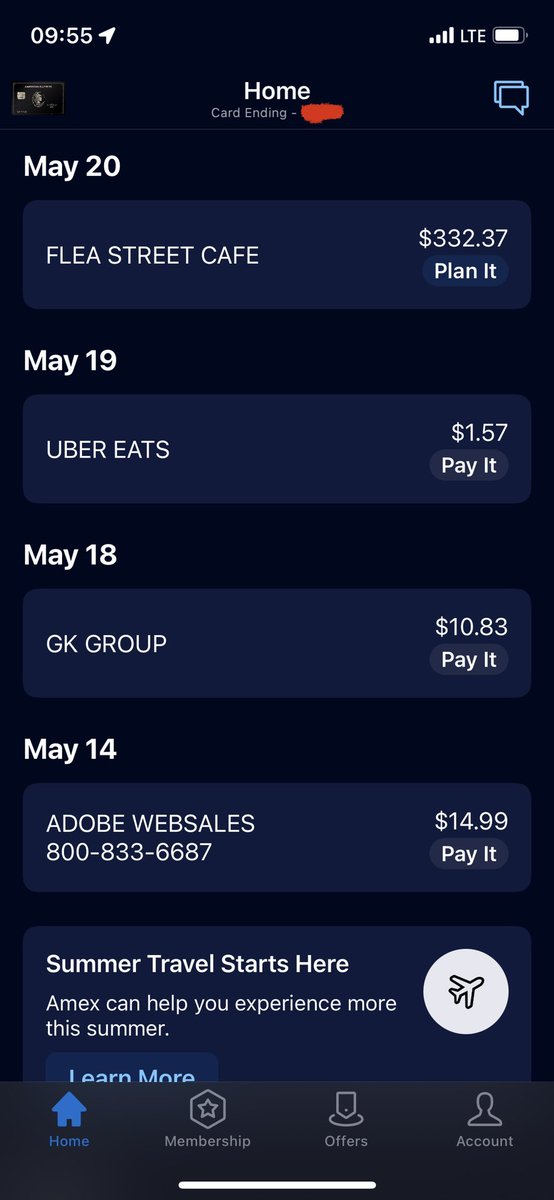
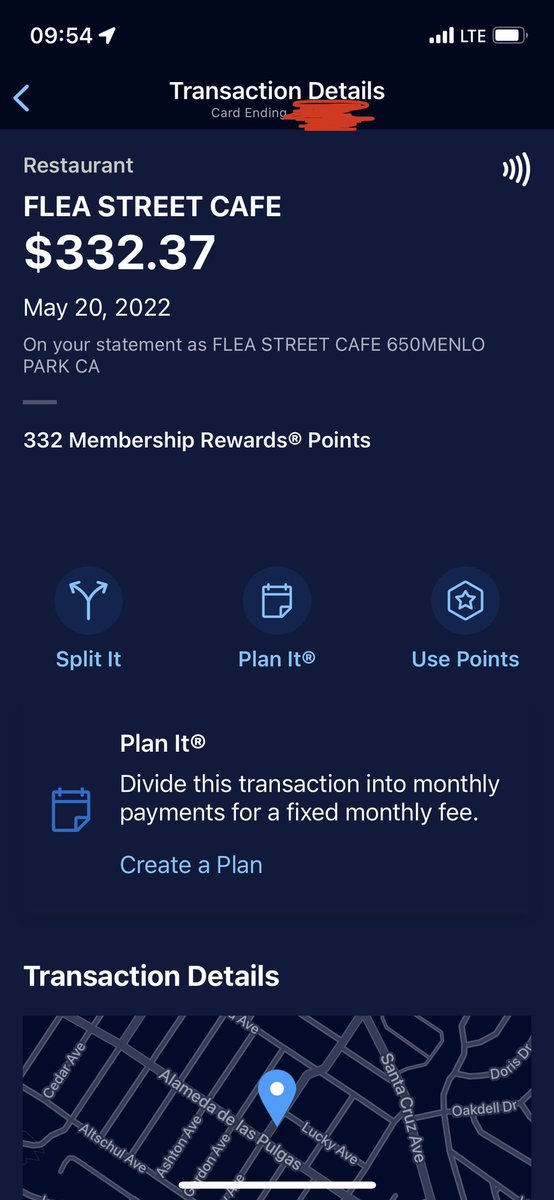
I click on “Plan It” next to my Flea Street payment (great restaurant btw) and can either Split It (with friends, using Venmo or PayPal), Plan It (turn into installments), or even Use Points
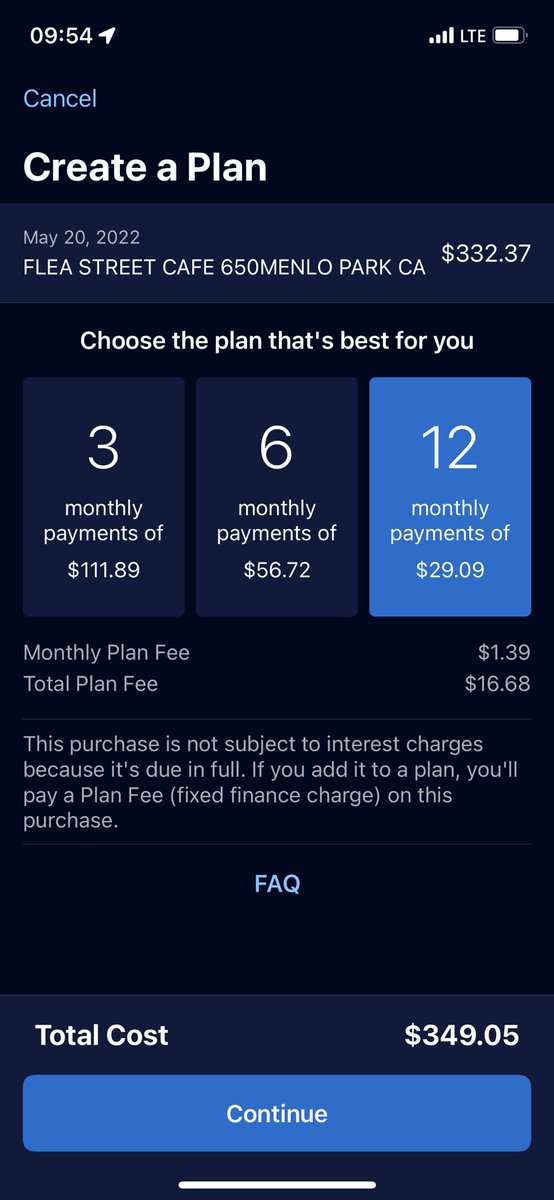
I’m going to use Plan It, which offers me several installment plans — 3, 6 or 12 months. No interest but a monthly “plan fee”
This works great, but to the point at the beginning — it misses the fact BNPL is a *promotional tool used by manufacturers and merchants to sell more stuff* — eg, Toyota often offers and *advertises* 0% financing to induce you to buy (promotion!)…not “post payment planning”

More on this from a thread I wrote in September 2021: https://x.com/arampell/status/1435692945387048964

ApplePay is awesome, and integrating installments to ApplePay makes sense, just like it made sense for Amex, above. But the “consumer + merchant + manufacturer” magic of BNPL happens when merchants/manufacturers can lower rates and extend terms to consumers…

…and can actually integrate those lower rates and extended terms into promotional materials in order to bring customers TO the checkout. It’s “too late” to first show this in the literal checkout line…which is why car manufacturers have run financing promotions for decades.

BNPL “done right” brings this same set of tools to any merchant and even any manufacturer (see long BNPL thread above on manufacturer-sponsored offers), helping unlock sales that otherwise would not happen
Why BNPL is an Early Threat to all of Payments

Originally posted as a Twitter thread on September 08, 2021


Why is “Buy Now, Pay Later” (BNPL) an early threat to trillions of dollars of market cap – Visa (almost $500B), MasterCard ($350B), card issuing banks, acquiring banks/services (Fiserv, FIS, Global Payments, etc)?

2/ Behind every card transaction there are FIVE parties: consumer -> issuing bank -> network (V/MA) -> acquiring bank -> merchant. The middle three get zero data on what items (“SKUs”) are being bought. Short video I made here:

BNPL makes no sense for, say, a $5 transaction at Walgreens. But do you want to get a 2 meter long paper receipt which you need to return that $5 item? Because of the architecture, there’s no way for the issuer to receive that AND the merchant doesn’t want to give it to them

Because the issuer, network, and merchant acquirer do not see SKU-level detail, financing is just “cash advance” and “everything else”
What if a merchant wants to lower the rate for SOME items? (Sell more!) What if a *manufacturer* wants to lower it across merchants? No can do

This what makes BNPL so interesting. It’s a **parallel** network, with SKU level information, that bypasses the issuing bank, card network, and merchant acquirer. It’s just the consumer, the merchant, AND (this is exciting!) a new participant: the product manufacturer!

Let’s say Samsung wants to create an installment payment plan for their new $1000 phone (b/c lower pricing sells more stuff!). How do they do this at, say, Walmart and Target and Amazon? When everyone has a different kind of credit card and those issuers don’t see SKUs? BNPL!

Right now this parallel network is being used for installments / customized financing – the clear product-market need and the hole the “one size fits all because of no SKU-data and five parties” created. But adding SKU-level info and manufacturers is a HUGE unlock for more

There have been many attempts to build a competing payment network (eg MCX: https://en.wikipedia.org/wiki/Merchant_Customer_Exchange) but they failed to address a consumer need. BNPL has both consumer demand and merchant demand, albeit for a subset of transactions

Over time, there’s no reason why any transaction – even the $5 Walgreens one – cannot be run over the BNPL rails, which are signing up merchants and consumers at an aggressive clip. Rather than a financing carrot, it might be a discount carrot, a warranty carrot, etc

Walmart et al created MCX because they hate (understandably so!) paying ~2% interchange fees. But those fees are protected by a very very powerful network effect. Walmart tried playing chicken in Canada — cutting off Visa cards in 2016 — and lost:

https://www.cnbc.com/2016/06/13/walmart-canada-to-stop-accepting-visa-says-fees-too-high.html

So you really need a *ubiquitous parallel network* with *consumer benefit* in order to go cold turkey against the current oligopoly and not lose sales. BNPL is just that. Merchants already use it, consumers already use it, and SKU data passes freely.

As the mobile phone increasingly becomes the consumer wallet, and as merchant payment terminals become smarter, you can also imagine a world where payments (and loans) automatically shift to the lowest cost/highest benefit provider…more here:

Open-loop payments (the V/MA system) are one of the greatest network effects of all time, and have created and *captured* tons of value. The moat is immense. But BNPL and mobile wallets are creating the first market-based (not regulation-based) cracks in the fortress.
FIN