All posts by Alex Rampell

When to Escalate vs Wait

Originally posted as a Twitter thread on September 01, 2023


When to Escalate vs Wait – implications for M&A, deals, dumb policies, etc

When an outsider presents an organization with evidence of “complex wrongdoing” (or mistakes) from within — where I define that term as a form of wrongdoing that *requires* internal corroboration — almost inevitably internal antibodies form to fight off the foreign accusation.

My general theory is that organizations optimize for internal harmony — not shareholder value or customer satisfaction. The CEO will defer to his or her VP, who will defer to his or her Director, etc. “We made a mistake — we should re-evaluate!” rarely comes up because the CEO is unaware of the particulars and policies.

This happens all the time in schools with placements, companies where egregious errors get committed (eg M&A diligence), investment firms where termsheets get pulled, Covid policies that made no sense, etc. Escalation almost never works because of specialization. Very different from “clear to anyone” wrongdoing/mistakes — “that person shot me, here’s a video!”

There’s also a seemingly innate human instinct to not admit a mistake – “saving face” is an almost universal human desire. But within an organization this instinct almost metastasizes and ossifies positions from bottom to top.

I’ve written extensively about TrialPay’s M&A travails:

https://x.com/arampell/status/1562557861145636866?s=61

In one case, an M&A process died when an engineer who didn’t understand our tech said it was “bad” — and subsequently left the company to start a competitor! Everything about it was ridiculous. https://x.com/arampell/status/1562557861145636866

But my mistake (even though I was right!!) was angrily escalating to the top — thereby releasing the full antibody response and ossifying the company’s viewpoint. The wrongdoing and mistakes were simply too complex to present without internal corroboration, which settled down to the same engineer.

I also learned that more data doesn’t really do anything to change most people’s minds. Time is more important. For some reason, humans are capable of changing beliefs when enough time has passed — not when contradictory evidence emerges. You really need both.

More on this here, from my lessons in (ultimately, after much trial and error!) selling my company: https://x.com/arampell/status/1610761687547940864

Key learnings:
-time > data. It’s frustrating but patience often beats action.
-escalation normally ossifies positions — it’s much harder to fight a strong antibody response than a weak one
-if escalating, make it about the principle – or something that does NOT require internal corroboration of the specifics. How does matter to the top / higher person in a way that doesn’t require looking up the minutia?
How AI Will Erode Bank Profit Pools

Originally posted as a Twitter thread on May 17, 2023


I’ve often written about how friction/inertia preserves giant gross profit pools in financial services.

The missing link to change this is what I would call a “consumer signup RPA” — which AI can do

RPA: Robotic Process Automation. Take an “API-less” process and “just do it”

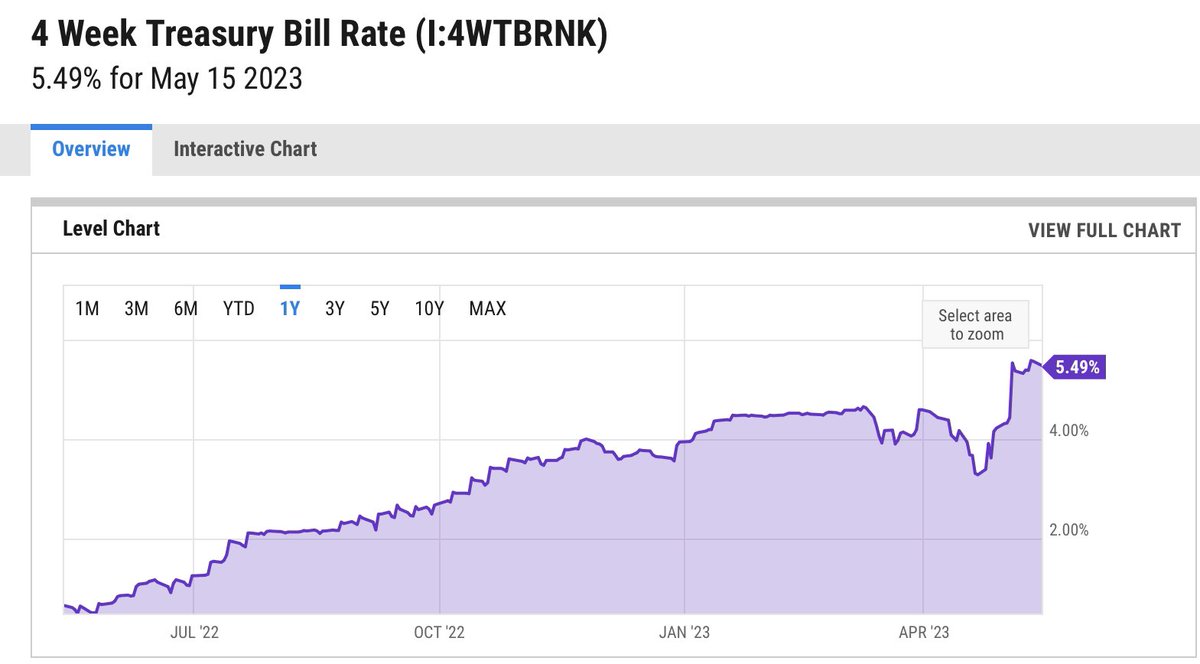
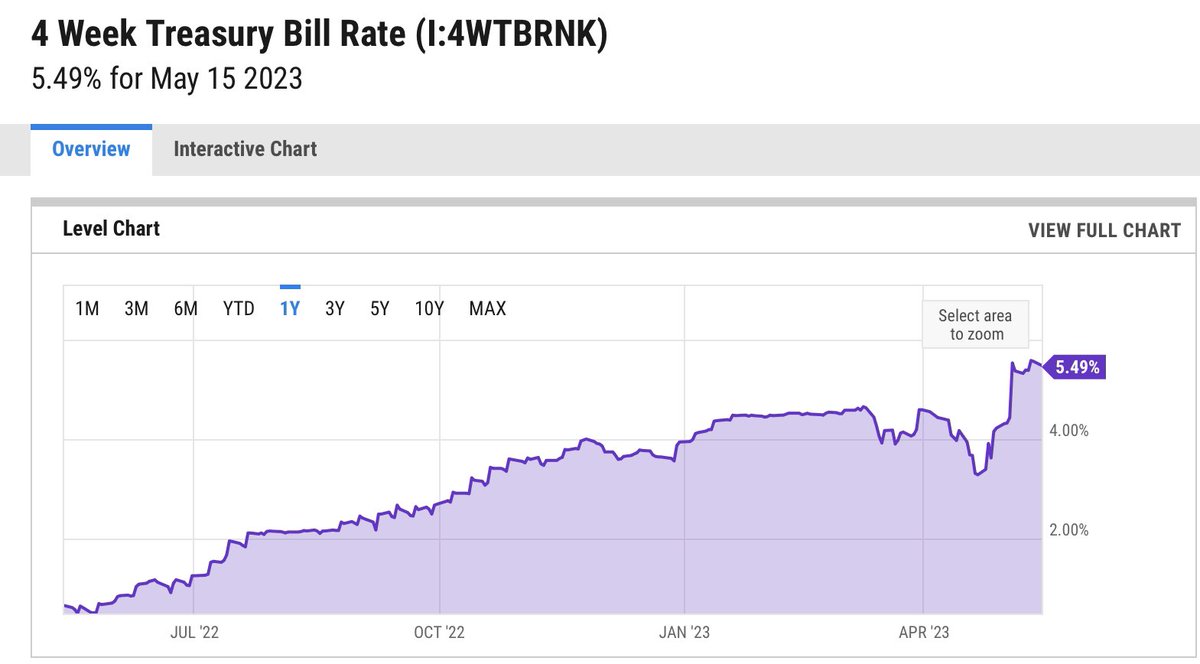
Nowhere is this more true than depository accounts. A 4 week Treasury Bill from the *US Government* pays 5.49% and a 1 year Treasury Bill pays 4.73%.

How much does the biggest bank in the US pay for the same…which of course is insured by the same US Government for ONLY up to $250K?

.02% and 3%, respectively…for a higher level of risk. You’d have to be insane to choose a CD with Chase vs a T-bill.

So WHY do consumers leave excess money or buy CDs with Chase? Three reasons:
1. They don’t know what yields are (Chase takes advantage of them)
2. It’s too hard to buy T-bills directly (try signing up for http://treasurydirect.gov)
3. It’s too hard to move money back and forth

The promise of Fintech (and in particular, tools like @Plaid) is that friction/inertia will no longer be an impediment towards consumers switching from the worst services to the best services.

Round One of this was “tools to read” information — let’s import your credit card purchases, or read your checking account number in.

Mobile Wallets have the promise of being a platform for financial services (the App Stores equivalent = financial products). I wrote about this back in 2016:

https://a16z.com/2016/04/25/digital-wallets-fintech-platform/

But AI is also going to transform this, because the incredibly painful (consumer) process of, say, buying short duration T-bills directly from the US government could now be…very easy. Or the seamless movement of money to meet bill pay needs and invest excess cash.

And the missing link for all of this has its technological answer in the form of Generative AI. AI has been used extensively in fintech, but primarily for “scoring” and “approving” things — speeding up backend processes.

But Generative AI is the mirror image: help automatically answer things on behalf of a consumer, bringing a generative robot to a 1990s workflow from a bank (or government) that’s unlikely to embrace, say, RESTful APIs.

And it’s not just about seeking higher yield or lower debt cost, which are particularly salient in today’s higher interest rate environment. Friction/inertia also keep people on their metaphorical financial Flip Phones vs meaningfully better products and experiences

Gen AI also has cost-saving, transformative opportunities for the big guys, too. But if they keep ripping off their customers, they’re finally going to start paying the price as “assistants” make breaking up easy to do…

Banks and Fear

Originally posted as a Twitter thread on March 11, 2023


We no longer live in the “It’s a Wonderful Life” bank era. Fear can spread at the speed of WhatsApp and iMessage and Twitter, and electronic transfers can instantaneously render a bank insolvent.

Branches and branch-centric thinking are anachronisms.

At the same time, banks in 2023 do MUCH MORE than just lend and deposit money. They provide pipes and technology for *everything.* Payments are mostly electronic, not cash. Payroll goes to a payroll company which…has its own bank.

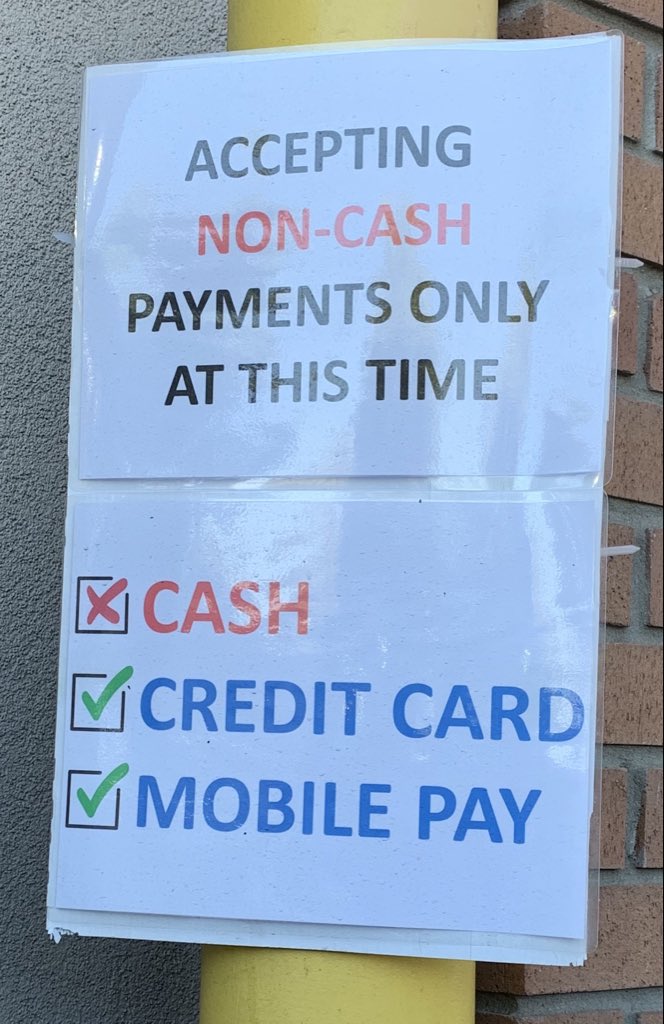
The Great Depression rendered a whole generation skeptical of banks. Money under mattresses was a thing. But that’s before commerce was entirely electronic. Most people can’t live life “cash under a mattress” even if they try. Lots of places won’t even accept cash!

Image

Image

And if you just say, ok, I’ll diversify banks at $250K max cap…what do you do if your business has a $1M payroll run to make and you use ADP/Paychex/etc. Which bank do THEY use? Or: How do you buy something like a >$250K house where the money “sits” somewhere in escrow?

Do we really want to concentrate all US deposits in 4 big banks? They can’t withstand a 50% instant withdrawal event, either. Or concentrate OUT of banks and into short-term t-bills?

2023 is not 1933

Getting to Five Customers

Originally posted as a Twitter thread on March 06, 2023


When starting a company, can you get to *5 customers*? Who are they? Why will they trust YOU?

As a VC, these are questions I always try to ask (selling B2B). I’ll tell my story of how my company got our first 5, and why 5 seems like a good heuristic of “you’ve got something”

I love the term “productize” — it effectively means turn a “service” or “consulting” project into a repeatable widget. Does a large n of customers need/want the same thing, or *roughly* the same thing with few customizations? Then…it *might* just be productizable

If you get your Uncle or Cousin to use your product, maybe it was a favor…which is a feature (not bug) if it indeed is the SAME product you can sell to a few other strangers. But a lot of times a “few” customers is just a collection of favors and is Fool’s Gold…

Fool’s Gold because it’s just not repeatable and hides brutal market feedback. You can only have so many college roommates, cousins, and uncles. But if you get 5 distinct customers to “agree” on the same set of features, it’s a very good sign and you’re off to the races.

TrialPay started off as something I used for my own freemium software business. “Don’t want to pay $10 for my app? Get it for free if you sign up for Netflix or get a Discover Card or shop at Gap.” It worked great so I decided to turn it into a company…and raise venture $

But a lot of times ideas/companies come in waves — two other companies basically popped up at the same exact time. Identical idea/value prop. Lift Media (@jmurz) and MyOfferPal (later merged/renamed TapJoy). We all pitched the same VCs within weeks in 2006!

I had a key advantage over them in that I still had my software business so could “create” traction — I was my own first customer. Could figure out if things were working. But more importantly, it gave me credibility in “my community” of freemium software developers.

After starting the company, my co-founder @terryangelos and I went to the “Shareware Industry Conference” in Denver…and we signed several customers there, the largest being WinZip. I gave a talk on my results with my own products…so had the credibility and knew this niche

This was so niche that few outside of the industry even knew of this conference…or had the credibility/connections with this somewhat esoteric group of businesses/people. I remember meeting @bradfurber and @allennieman there…at a relatively unknown (but big revs!) company…

But sometimes, particularly when building a “transactional” business (versus “per-seat” where you know # of employees), there are these “diamond in the rough” customers that turn out to be huge. Brad and Allen’s company (Sammsoft) was one of them. Huge client.

My *now* friend @jmurz of Lift Media was super smart, incredibly hard-working, and was building his nearly-identical business…he was my arch-nemesis at the time!!…but we got a big early lead, which later turned into a big fundraising advantage too…

And honestly it was almost entirely because:
A. I had a captive early customer that would do anything I wanted (customer was…me!)
B. I found a bunch of other customers that “looked” like me — no chasm to cross. “I sell $30 Windows software, you sell $30 Windows software”

As we expanded, this was one thing that never ceased to amaze. Companies *across* verticals often have a hard time being the first in their space…getting Skype or Fandango to use us was not really helped by the fact we had WinZip. “Oh, that’s totally different.”

My advice to developing a killer product and go-to-market — and ensuring you don’t end up over-engineering into a void or losing to another competitor — is that you need both a founding team (founders/employees) and a founding *group of customers*

You need some vision, flexibility, and fortitude to make sure YOU are building the product, not your customers — otherwise it’s the Henry Ford “if I asked my customers what they wanted, they would have said a faster horse”

But you also need real market feedback so getting some friendly customers — who are willing to bet on you (kind of crazy to run your business on a money-losing startup!!), ride out some bumps, and give more than an occasional testimonial…is crucial

So sometimes 0->1 is not all that hard (if “1” is your Uncle). Getting 1->5 is actually what’s hard…synthesizing feedback, and building that trust that no 12-months-of-cash-left startup is just “entitled” to. It’s a crucial ingredient to success.

Some ideas on how to do this:
A. Give equity to your early customers or have them invest
B. Have no shame plumbing every connection you can – favors and believers
C. I tend to think the best companies are ones that came out of personal experience / you can be 1st customer

Thanks to @1nternetjack for the idea on this one. And watch this scene from one of the best Simpsons episodes ever, about the perils of *overly* conforming your product to just one customer:

Men’s Tennis: Age vs Grand Slams Tracker

Originally posted as a Twitter thread on January 29, 2023


Men’s Tennis: Age vs Grand Slams Tracker

A bit of an asterisk remains, given no 2020 Wimbledon + Djokovic not allowed to play in 2022 US/Australian Opens…

Djokovic 10/16 in last slams he played so maybe it’s *24 (2 out of 3 of those missed)?

And then there was the US Open issue in 2020, but can’t blame that on a government policy 🙂 https://x.com/arampell/status/1363595414679609347

The “Finance” Opportunity of AI

Originally posted as a Twitter thread on January 27, 2023


What is the “Finance” and “Financial Opportunity” of AI?

If “Bit Manipulation” is a key part of your COGS or SG&A, there’s a huge opportunity or huge disruption coming your way (or a PE firm that might just buy you).

Two sections follow: “Known Knowns” and “Known Unknowns”

Known Knowns: There are companies already doing X, and thus there are two opportunities:
-sell a tool to turn “bit-manipulation-by-people” costs -> GPU usage (AI base marginal cost)
-create a vertically integrated company that competes with a legacy player…by doing the above

Financial services (unlike, say, Campbell Soup or Boeing or Fedex) are primarily “bit manipulation” — little atom moving needed!

How do you apply for a mortgage? Insurance? Reinsurance?

A lot of the cost is…movement of bits. Move info from here to there, validate X, etc.

Companies, and people within companies, tend to be extraordinarily slow routers of information. Person X emails Y, who’s on vacation…who upon return asks for more info, and then passes it to Z, etc. Do it more quickly, save money and win share.

There’s a tremendous private equity opportunity here, which is the “finance” opp. Any company might see a *dramatic* difference in bottom line once more of these bit-manipulation functions are automated. It’s like going from seamstress -> loom -> textile factory…for bits.

Next: Known Unknowns. What I’m fascinated with are companies that cannot/do not exist today due to a market failure between what companies/consumers will pay and what people will work for…in the realm of bit manipulation.

For example: “Find all counterfeit listings of my product on Reddit/FB/Twitter/forums, for $100K/year” or “Reach out to unhappy customers and get more information, for $100K year”
There’s probably lots of demand at a given price but impossible to provide service at that price

So there are no “market comparables” or set of companies to look to. It’s just an old fashioned supply/demand curve where there’s no quantity demanded at the price where labor is willing to supply…

Working on an essay on this with some data from existing companies — more to come soon.

The Future of Payments…is Red?

Originally posted as a Twitter thread on January 12, 2023


The Future of Payments…is Red?

What could disrupt Visa/MasterCard/Amex? How might a new payments Goliath start?

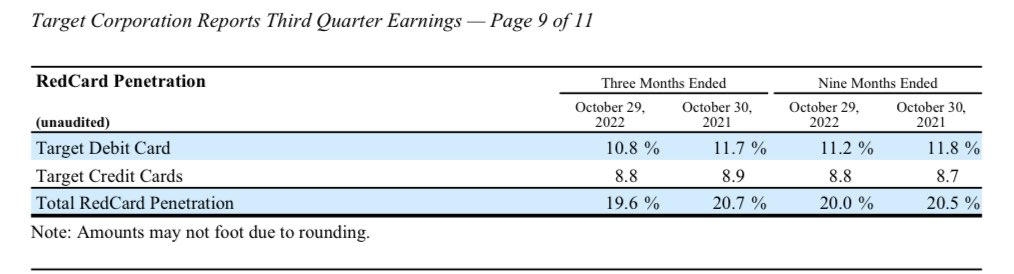
Let’s talk about the Target Red Card. Target did >$100B in revenue last year, 20% of which happened on its own cards:

You’ll see “Target Debit Card” and “Target Credit Cards” (source: Target 10Q)

Many retailers have what are known as co-branded credit cards. Target’s is issued by TD Bank; Amazon => Chase; American Airlines => Citi. Some retailers make more on cards than on their core biz!

But what is extremely interesting, and has compelled me to scan every Target 10Q for years, is the Target Debit Card, which makes up over 11% of Target’s entire revenue. The Debit Card just pulls money directly from your bank account — allowing Target to not pay interchange.

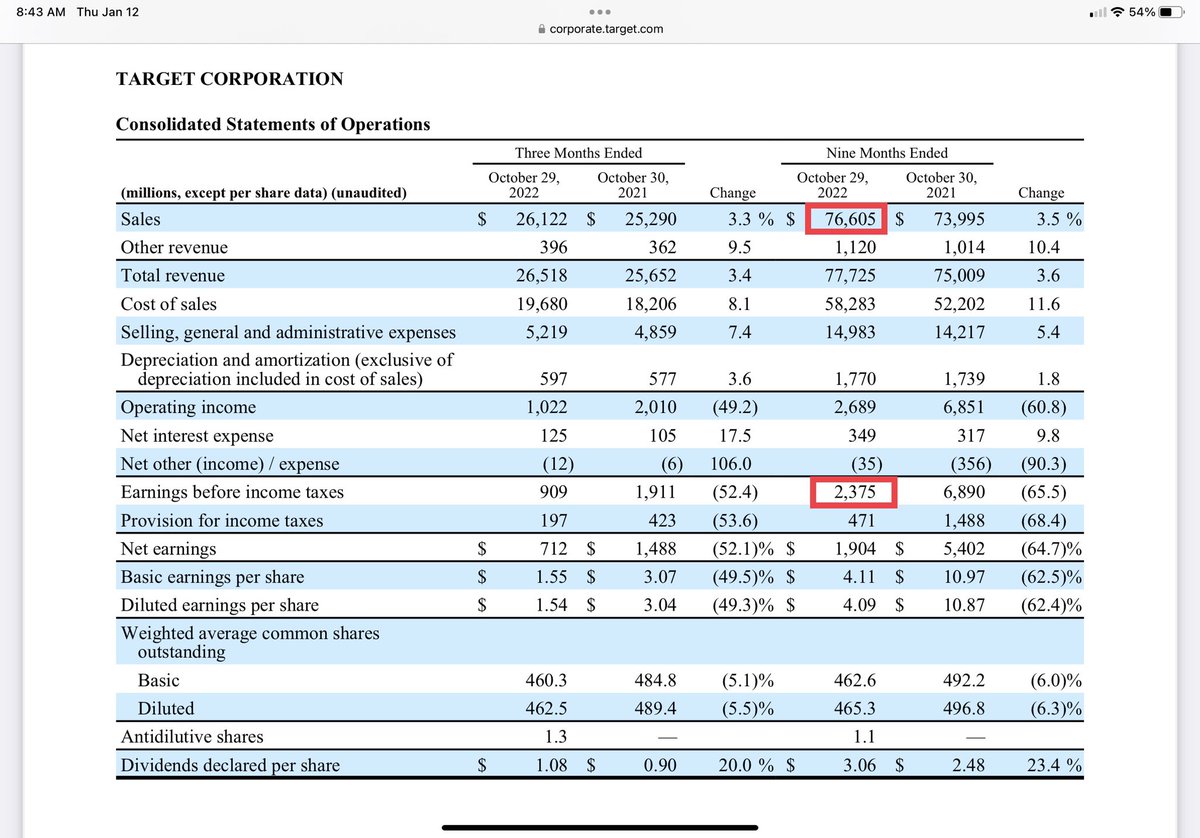
It should be self-evident why this is important. Look at Target’s Q1-Q3 revenue last year — $76.6B sales, $2.4B pretax income. Imagine every Target transaction was credit card (not the case) @ a blended 2% fee => $1.5B in incremental income if shifted to ACH, 63% more profit!

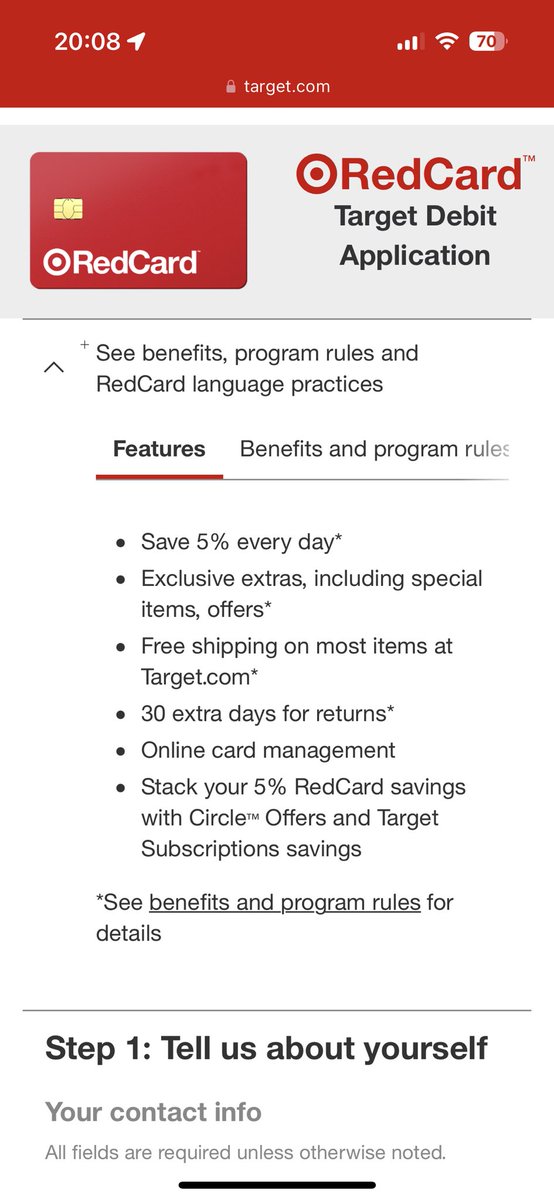
Target has impressively shifted 20% of their *entire* sales to their own cards. The only “illogical” part of this is that to save 2%, they are…giving up 5%, albeit to the user directly in savings at Target, which is the primary benefit of Red Card.

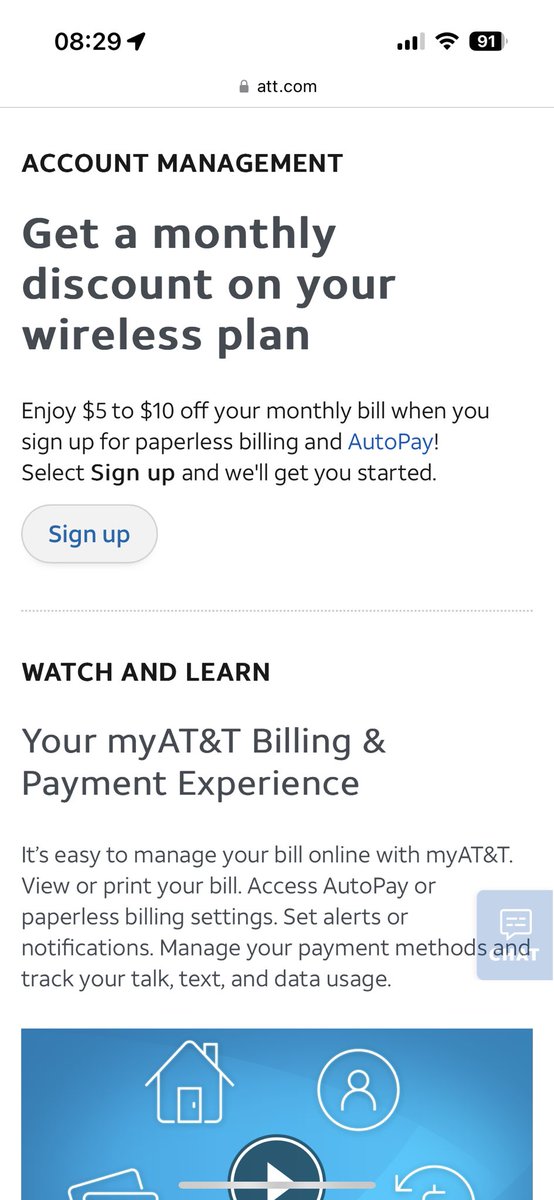
Target isn’t an outlier here. Most “frequent interaction” or high frequency billing companies do the same. Here’s Verizon and AT&T, which give you substantial savings monthly for moving your bill pay off credit cards and to ACH (or sometimes debit cards, given lower avg fee)

Image

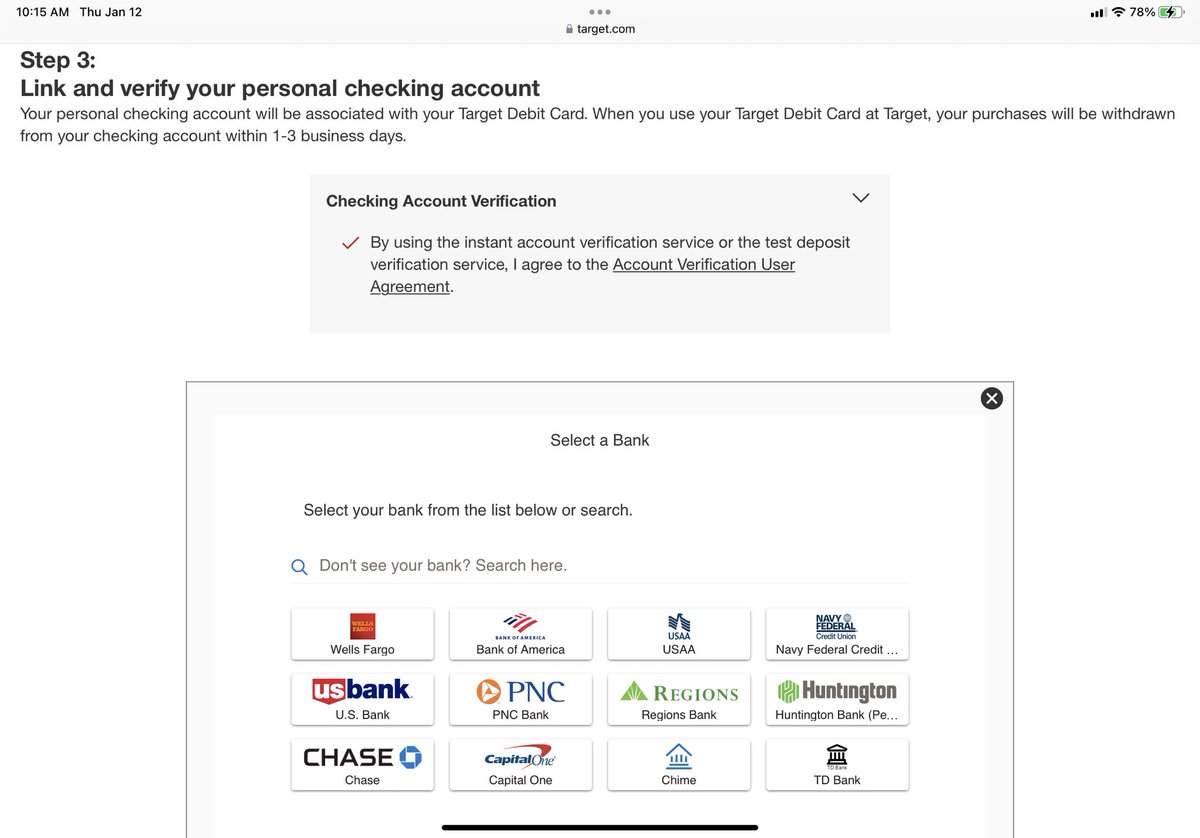
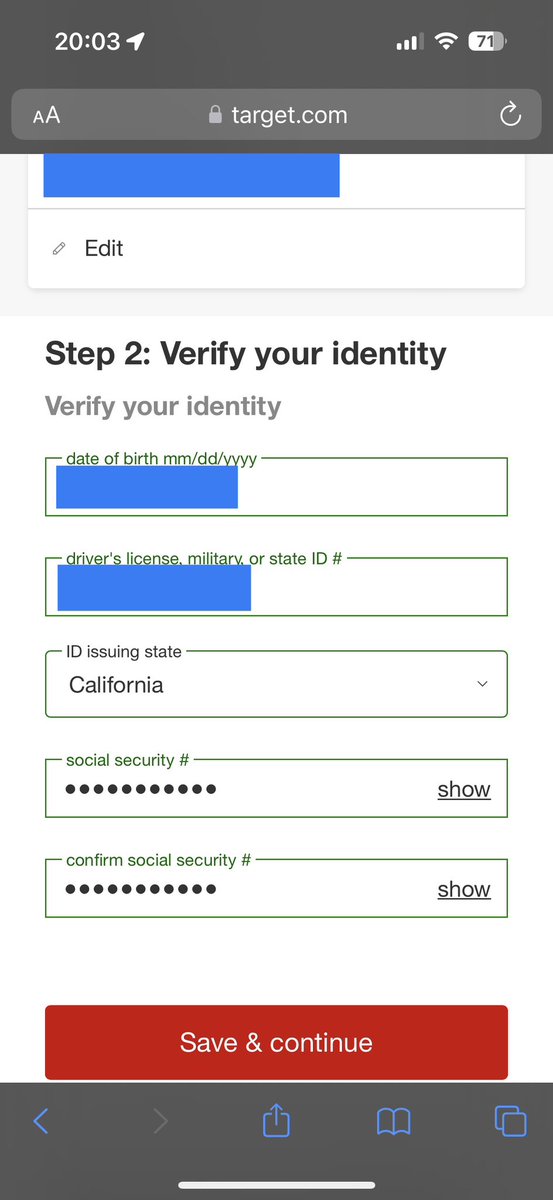
When you sign up for a Red Card debit card, you link your existing bank account and let Target pull funds from it. It’s just a “router” to your existing bank account.

Image

Image

So effectively the Debit Red Card is an abstraction layer around payments, mapping a POS transaction at a Target store to a subsequent low-cost ACH debit from an existing checking account.

This is harder than it seems. For anyone in Credit/Debit payments, you might recognize the “verbs” of payments: Authorize, Capture, Settle, Void, Credit. Not to mention things like chargebacks. ACH has fundamentally different “verbs” and Red Card is a Rosetta Stone of sorts.

Why is this potentially the future of payments? For one, tools like @Plaid have made the connection extraordinarily easy. You don’t have to remember your bank account number or “routing code.” Just log-in to your bank account ONCE and you’re done. Consumers are used to this.

Every “high frequency biller” should be doing this, and experimenting with pricing and benefits. Albertson’s, Netflix, Walmart, Costco, Safeway, Microsoft, Disney, etc. It’s likely trillions of $ of “frequent merchant-consumer interaction” payments that *could* shift.

While I think Target has been smart to roll this out, it seems paying 5% to save 2% (and justifying it by showing increased engagement, which likely reverses cause and effect / shows sampling bias!) is not smart. Better to provide one-time benefit to switch, I would think.

To wit: Log-in to Netflix. See a message: “Switch to direct debit, get $2 off this month. Just click here!” -> long term savings of $100M+/year to Netflix in North America alone based on projected interchange costs.

The “hard” part of this, not surprisingly, is software. What’s needed is “Red Card as a Service” for retailers — and in particular, “frequent interaction” retailers. This would likely sit alongside the existing payments stack, or maybe above it…

Because ideally the one team (at the merchant) that handles dispute resolution/chargebacks, or refunds, or store credits…doesn’t care about the tender type. All of that is just abstracted away into whatever tools they already use.

The other thing that’s needed is a much better onboarding experience. Frankly it’s shocking that Target is at 20% given how complex they make the onboarding and how much information they gather…better software/CX/UX would make it much more compelling.

The truly magical experience would be what I would call the “Customer IQ Test.” An automatic mapping of their credit/debit card to their *existing* checking account could be done in the background…credit bureaus and other players already have this.

The IQ Test would thus be: “Do you want to save $5 right now by switching your Visa Card ending in 2655 to your Bank of America account ending in 7688? Click Yes to confirm and your’e done.”

Because fundamentally, the reason “Red Card as a Service” hasn’t taken off in the past is because of the twin moats protecting so much of banking. Inertia (hard to switch) and Rewards (merchant fees fund customer benefits, with banks in the middle). Inertia is now decreasing.

There are other huge benefits to a “frequent interaction biller” introducing this. E.g., “Pre-pay $1000 of spend at Safeway for $950” —> ensures that that person buys all of their groceries at Safeway. Or maybe a quasi subscription.

Not to mention all of the other “fintech” cross-sells available if you have a link to the customer’s checking account and a dominant/frequent relationship with them.

There’s a good question of how many frequent billers does the average customer have, what merchants might this make sense for, etc. But in general, the tools are coming/exist to make this easy, fast, and low-friction…and the economic incentive for merchants is MASSIVE.

How to Sell Your Company

Original Post here: https://x.com/arampell/status/1610761687547940864

Companies are (almost always) bought, not sold. This means somebody needs to *want to buy* your company. Ideally this happens organically. But how do you, as a founder/CEO, expedite this…particularly when you KNOW you’re hitting a wall?

“Planting an idea”

Inception is one of the greatest movies of all time (watch the clip). The whole premise is about implanting an idea in somebody’s mind…the inception of an idea. “If you’re going to perform inception, you need imagination”

There are probably three types of acquisitions:
A. Acquihire (want team, not business or product)
B. Product/“Trade Sale” (want product or to repurpose product, acquirer has distribution)
C. Business “left-alone” (give existing business more resources to grow faster)

Especially for Acquihires and Product-oriented sales, you need to get to know your prospective “buyers” *far in advance* of “needing” or wanting to sell your company. Two independent variables exist: when they can/want to buy, and when you want to sell…rarely do they align!

Buyers aren’t companies, they’re *people at companies*, and generally people with P&L responsibility. Often somebody climbing the corporate ladder who wants to make a big splash and is anxious to ship something taking way too long internally. Or a new VP who needs a team ASAP.

Almost every large company has a corporate development person/team. Their job is to close deals, not to ideate – once you are “bought” you’re not working for the VP of Corp Dev. You’re working for whatever division and whatever person wanted your product. Focus on GMs/PMs/VPs.

Focusing on product/trade-sales: the key thing is to figure out where 1+1=3, or how your product might fit within the org. At TrialPay we showed ads around transactions — what if PayPal could stick our ads in every purchase receipt? Would generate >$1B…that was our pitch.

The goal is not to approach the company (or person) with “please buy me” — it’s not like a fundraise. That’s massively counterproductive. It’s to propose a BD deal that is just standard operating procedure for your independent company. Which hopefully happens regardless!

You CANNOT PUSH A STRING. This was a lesson I learned very painfully. Do not be aggressive; this isn’t like closing an oversubscribed funding round. Articulate a vision for how your product fits and is a win-win for both, try to get a test/integration/contract in place.

The true “inception” for the more valuable product-oriented acquisitions is “wow, we shouldn’t let this be a BD-deal…we NEED to own this.” *That* is when you can (possibly) sell your company for a lot of money.

Even so — most companies have a culture of “anyone can say no, nobody can say yes” — you need to sell horizontally, deal with people who are threatened (“we can build it ourselves!”), and recognize you’ll be judged “on the present”.

“Being Judged on the Present” is a very big deal (see blog post) — you need to steer things to what your product, or a variant of it, WILL look like. Make a real polished demo. Put real work into it. Your “existing” product or team or tech might be used against you.

This is why “imagination” is so key — your product currently does X, but there are probably 5 giant companies where a few tweaks/changes to it – X’ – could accomplish a major objective for them…how you pitch each might be a little different.

I can’t overstate the fact that relationships matter. You can’t start this process with 3 months of cash. You should be thinking about this even if you plan to conquer the world — get to know key decision makers/GMs at every potential acquirer because…you never know.

And again, my approach wasn’t “I want them to buy me.” It genuinely was “I want this *commercial* deal with this company, because it will be transformative for MY business.” Which was 100% true.

There’s also the reality that sometimes your current “business” scale makes your “product” less appetizing (what does the acquirer do with all the people/processes if they want to repurpose?). This is the hardest part: do you change your business to make it more palatable?

GENERALLY, the answer is NO. Most M&A fails. Again, when you want to sell usually does not align with when they want to buy. But if you really NEED to sell, it’s useful to think through the “anchors” holding you back:
https://x.com/arampell/status/1562557849128931328

“Running a process” to sell a company rarely works if selling team or product, especially when product needs to be repurposed…but if you are already being hotly pursued, then and only then (IMHO) does it make sense to “shop” — “Boy who cried wolf” syndrome is real.

Because again, “when they want to buy” is a real thing — maybe they just bought a giant company and don’t have the budget/fortitude to buy another one. Maybe they whiffed their last quarter’s earnings. Don’t push a string. Hurts your chances when they’re ready to buy.

Sometimes you can help expedite, though: once you already have the relationships, and ideally some product integration in place, you can, say, start a fundraise and ask if they’d like to invest (might make acquisition more expensive down the road, maybe they should buy now!)

In the absence of competition, though, it’s very hard to speed up an in-flight M&A conversation/process. And it WILL suck up most of your time and energy…and distract every member of the team working on it. Limit the circle of knowledge on this — it’s crucial.

“Raise money when you don’t need it” is the normal advice for fundraising. For M&A, I would strongly encourage everyone: “Build relationships and think about this…when you don’t need to sell.” Because one day…you might want to or need to.

And again, this doesn’t mean CEOs should spend most of their time on this. I think ideally it’s 5-10% just focused on capital raising/relationships (inclusive of prospective M&A) as a background process.

Lastly, if you want a good price — much less likely when your growth has stalled. The best (luckiest?) deals I’ve seen done are when the CEO (recognizing an upcoming speedbump) basically “expedites” interest…and when the “wants to sell” and “wants to buy” variables meet 🙂

The Goldilocks Zone of Cost Irrelevance

Originally posted as a Twitter thread on December 08, 2022


“The Goldilocks Zone of Cost Irrelevance”

Some of the most valuable companies provide a crucial service, but don’t charge enough to have customers care enough to switch/think about switching

Janitorial services, payroll services, etc. Hard to be displaced / hard to get in.

At TrialPay I called this the “Janitorial Services Problem” — imagine writing a BigCo CEO: “I will make your toilets 19% cleaner for 7% less cost!”
CEO likely won’t care or even care enough to *find the person who DOES care*
It’s actually possible nobody does!

There really is a Goldilocks Zone here. If you represent a giant cost, it’s worth optimizing/RFPing. If you’re too cheap you likely can’t afford a sales team to sell in. But if you’re “just right” — irrelevant to COGS, but you have high margins and a large n of customers…wow

For many of our clients we were a small % of their revenue. Nice, but not crucial. Unlike janitorial services (which every office needs), we were doing something new — so category creation in a zone of irrelevance (eventually it became a category, though)

Moreover, put yourself in the shoes of the CEO…who likely only cares about 1-3 BIG things/KPIs that will move revenue, profits, stock price, save their job, secure their bonus, etc

So if you have a “janitorial services” type product — hard to get in, hard to displace, not incredibly relevant — how do you start? Some things we tried to do…

If leading with your product — do not just try to “go high” — selling to the CEO, board, whatever. They likely will not care! They will not care to find the person who cares! This is a rookie mistake I see many entrepreneurs make.

HOWEVER, if you do get a high level connection, try to lead with something they care about, and link it to your service. I would always try to figure the key priorities of the company and try to lead with that, versus “we’ll make/save you some small incremental dollars”

As an example, they might have (strategically) cared about showing they were ramping up Facebook customer acquisition (in 2011). Or mobile. Optics — if linked to a “braggable” KPI — almost always trump small dollars.

One other clever thing we did was use a bundled hook, as I called it. BigCo CEO didn’t care about our product, but did care about supporting Charity XYZ — so it was a much better reach out to say “we are working on something to support XYZ…”

We did a promotion called “The BigBundle” where 100% of proceeds benefited the American Cancer Society. We kept nothing, not even payment fees. The bundle consisted of…products from our merchant customers that we would sell to consumers.

It turned out to be a pretty clever hook — doing well by doing good — to get more companies to use us. In order to include their product, they needed to sign a contract with us, integrate some code (so we could deliver/authorize), etc.

I often described a customer journey as 10 stages.
Stage 1: Who the hell are you? Go away

Stage 6: Contract signed
Stage 7: Code integration complete
Stage 8: Small test done

Stage 10: Fully live and turned on, key integrations done

The “BigBundle” got us to Stage 7 with several dozen NEW customers — which then made it really easy to solve the Janitorial Services Problem in the future

After finishing the charitable promo, we had signed contracts and live integrations — so now the sales pitch was so much easier. “Just reply ‘yes’ and the toilets will automatically get 19% cleaner at 7% less cost — we’re already integrated and past procurement”

And once we were the new Janitorial Services Company, we could defend our position quite nicely — knowing how hard it was to get in 🙂

Inspired by a morning conversation with @davidu and @martin_casado — thanks guys!

Maturity Matters

Originally posted as a Twitter thread on October 25, 2022


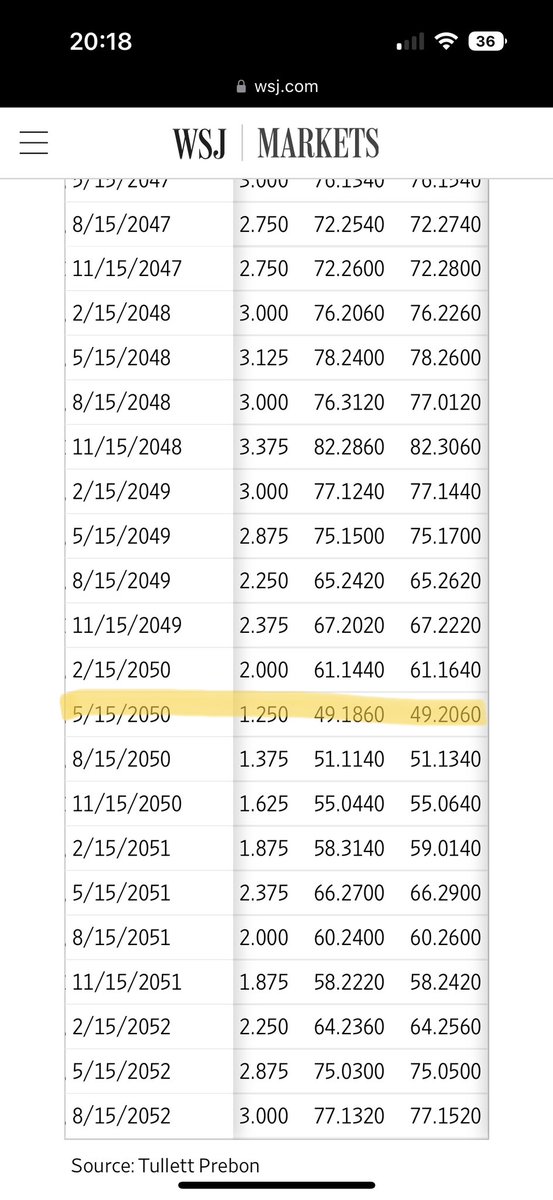
If you had bought the May 2020 30 Year T-Bill (1.25% Coupon) at auction, you’d currently be holding something worth LESS THAN $.50 on the dollar. The Aug ‘22 issue is trading at $.77!

If you are investing your cash, no matter how safe the instrument, MATURITY MATTERS.

I know Fintwit knows this. But if you are, say, an unprofitable startup investing your cash, *do not invest in long-maturity products* — it doesn’t matter how safe they are. Holding to maturity is not the benefit it seems. And the problems are magnified with illiquidity.